

While you buy via hyperlinks on our web site, we might earn a fee. Right here’s the way it works.
In case you’ve ever taken your pup to the canine park, you’ve most likely seen it: two canines sniff howdy, then one dives in with a sloppy lick to the opposite’s mouth. Cue the awkward human laughs and some “ew, gross!” feedback.
However this isn’t doggy PDA gone flawed. Mouth licking is likely one of the oldest, most versatile types of canine communication — half intuition, half affection, and generally nearly what the opposite canine had for lunch.
So why do canines lick one another’s mouths? Learn on to seek out the a number of causes.
Cute Or Appalling?
First, right here’s a primer take a look at. Some canine dad and mom soften after they see pups licking one another’s mouths, others cringe and attain for the hand sanitizer. Is it candy affection or simply plain gross? Watch these fast clips and resolve for your self.
Why Do Canines Lick Every Different’s Mouths? 8 Essential Causes
It could look odd (or a bit of gross), however canines don’t hand out slobbery mouth licks at random. This ritual is a component intuition, half communication, and half “I odor snacks.” From pet survival methods to canine diplomacy, listed here are the highest eight the reason why canines lick one another within the mouth and what it actually means.
1. A Doggy Handshake: Greeting Rituals
For us, greetings are handshakes, hugs, or perhaps an ungainly wave. When canines meet, their first impression isn’t a handshake or small speak — it’s usually a fast nose-to-mouth investigation. And generally, it’s adopted up with a lick.
Why? Mouth licking serves as a social greeting ritual. Not like handshakes, licking can talk each respect and affection in the identical movement.
Appeasement sign: One canine might lick one other’s mouth to say, “I’m not a risk.”
Social smoothing: Simply as people use smiles to ease pressure, canines use licks to maintain encounters pleasant.
Pack dynamics: Licking helps set up order, displaying respect to a canine with increased confidence.
Patricia McConnell, Ph.D., a famend animal behaviorist, calls these “appeasement gestures” — instinctive strikes canines use to forestall fights earlier than they begin. As a substitute of growling or posturing, they lick.
Consider it this fashion: whereas we trade well mannered hellos, canines trade slobber. Certain, it’s messy, however it works.
Fast Truth: In multi-dog households, you’ll usually see one canine greet one other with a lick after they’ve been aside, even for simply a short while. It’s their model of a “welcome again!” hug.
2. Puppyhood Instincts
The roots of this conduct go all the way in which again to puppyhood. Within the wild, wolf and coyote pups lick their moms’ mouths to set off regurgitation of meals. With out that ritual, dinner doesn’t arrive.
Survival mechanism: Puppies rely on licking to sign starvation.
Hardwired conduct: Regardless that kibble and canned meals changed regurgitated prey, the intuition persists.
Evolutionary continuity: From wolves to home canines, the gesture carries on.
Wolf pups instinctively lick grownup muzzles to set off regurgitation — a conduct documented repeatedly in ethology research. Home canines have inherited this historic survival sign, despite the fact that kibble has changed regurgitated prey.
So whenever you see your grown canine licking one other’s mouth, a part of the conduct is just an echo of historic pet survival ways.
Fast Truth: For this reason puppies usually lick older canines extra continuously than adults lick one another — it’s a conduct that fades as they develop however by no means disappears completely.
3. Love Licks: Affection & Bonding
Canines are social animals, and rituals assist preserve robust group ties. Simply as primates groom one another or cats lick one another’s fur, canines use mouth licking to bond and present affection.
Hormone enhance: Affectionate licking triggers oxytocin (the “love hormone”) in each the licker and the receiver.
Stress reduction: A 2021 examine in Animal Behaviour discovered affiliative behaviors like licking decrease stress ranges in pack animals.
Consolation: Canines might lick one another’s mouths after tense occasions to reassure one another.
So when your pup gently licks a carefully bonded canine pal’s muzzle, it’s their manner of claiming, “I care about you.”
4. “Sure, Boss”: Mouth Licking As Canine Respect
Canines are pack animals, and like all pack buildings, somebody’s in cost. A method lower-ranking canines present respect is thru mouth licking.
Acknowledging hierarchy: A lick usually means, “You’re the boss.”
Battle prevention: Submissive canines use licking to forestall aggression from higher-ranking canines.
Family hierarchy: If one in all your canines at all times licks and the opposite simply accepts it, you’ve noticed the alpha of your lounge.
Fast Takeaway: Licking doesn’t make one canine “weak” — it simply means they’re good sufficient to keep away from battle by displaying respect.
5. Canine Diplomacy: Communication Indicators
Mouth licking can be a part of a canine’s non-verbal communication toolkit.
Pressure diffuser: A nervous canine might lick one other’s mouth to de-escalate battle.
Pleasant message: Licking communicates, “I’m not right here to combat.”
A part of calming indicators: Together with yawns, turning away, and gradual blinking, it’s a refined sign of peace.
Turid Rugaas, canine behaviorist and creator of On Speaking Phrases With Canines: Calming Indicators, highlights licking as one of the crucial vital appeasement gestures in canine physique language.
So the subsequent time you see one canine licking one other’s mouth on the canine park, it could be much less about meals and extra about politics: canine diplomacy in motion.
6. Leftovers, Please: The Style Issue
Let’s be actual. Generally it’s not that deep. Generally licking is nearly leftover flavors.
Meals residue: Canines love sampling one other canine’s current meal.
Curiosity-driven: A lick tells them what the opposite canine simply ate.
Gross however actual: Even unappetizing smells (to us) are fascinating to canines.
In case your canine simply licked peanut butter off a spoon, don’t be stunned if their buddy comes over for a style take a look at. To your canine, your breath after dinner is principally an open invitation: “Free samples out there right here.”
7. Constructed-In Vet Examine: Well being Detection
Right here’s a captivating twist: canines would possibly lick one another’s mouths to detect sickness.
Analysis exhibits that canines can odor sure illnesses in people, from most cancers to diabetes, with outstanding accuracy. So it’s not a stretch to suppose they will detect adjustments in one other canine’s well being, too.
Canines’ noses and tongues aren’t nearly snacks — they could additionally act as well being detectors.
Sickness cues: Canines can odor chemical adjustments linked to illness.
Canines are educated to detect over a dozen human illnesses.
Peer well being test: When one canine persistently licks one other’s mouth, it may very well be detecting dental issues, an infection, or simply “off” smells.
So, sure — it’s doable that mouth licking doubles as a medical checkup. Canines might sense what we are able to’t.
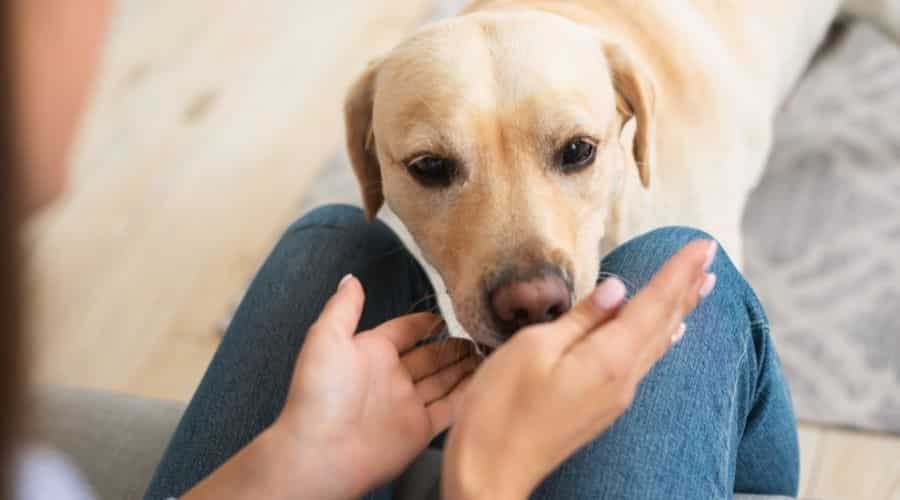
Vet Tip: In case your canine instantly begins obsessively licking one other’s mouth, it is perhaps value a vet go to to rule out hidden issues.
8. Grooming Rituals
Generally, licking is nearly staying clear. Canines groom one another with tongue baths, and that features the face and mouth space.
Hygiene: Helps take away leftover meals or dust.
Bonding: Grooming strengthens social connections.
Consolation: Canines usually loosen up when one other tends to them.
That is commonest in canines that reside collectively and already share a robust bond. Grooming via mouth licking is much less about hierarchy and extra about mutual care.
Fast Truth: Wolves and wild canids additionally apply mutual grooming — licking helps preserve each hygiene and concord within the pack.
To Interrupt, Or Not To Interrupt?
So, must you let your canine lick different canines’ mouths? It relies upon.
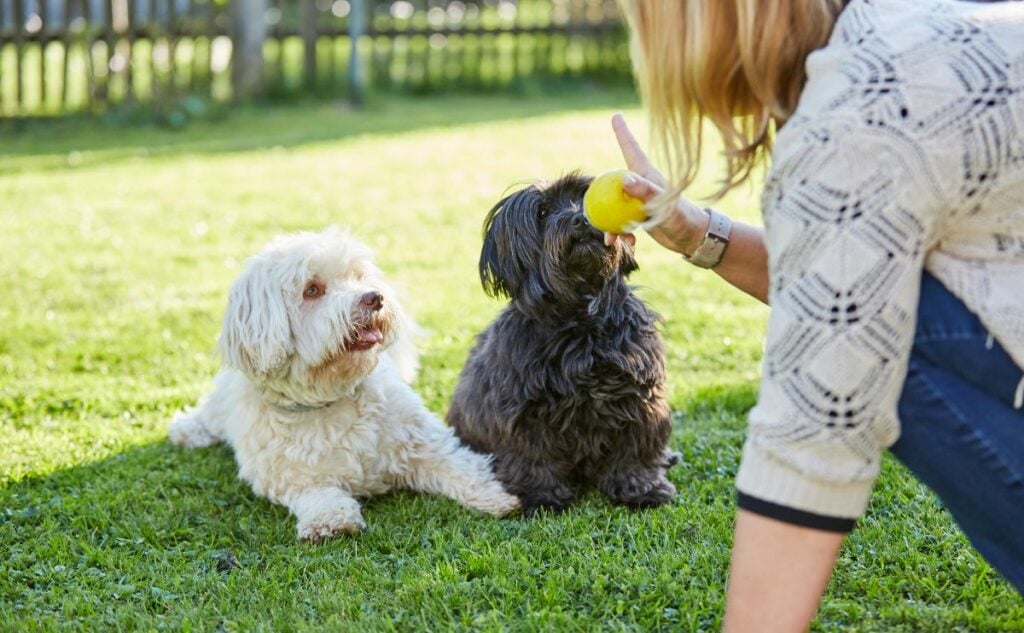
Innocent licking: Transient, mild, occasional → high quality.
Regarding licking: Extreme, pushy, or inflicting pressure → redirect.
Well being issues: Typically protected, however keep away from if one canine has infections, sores, or contagious sickness.
Professional tip: In case you’d slightly not take care of the drool, redirect with a toy, interactive puzzle, or coaching command.
Is It Protected For Canines To Lick Every Different’s Mouths?
This is likely one of the commonest questions canine dad and mom ask as soon as they get previous the “ew” issue. The brief reply: often, sure, however there are exceptions.
Regular micro organism trade: Wholesome canines have robust immune techniques and may tolerate the innocent micro organism that swap throughout licking.
Dangers throughout sickness: If one canine has kennel cough, a mouth wound, or a contagious an infection, licking can unfold it.
Dental illness issue: If a canine has periodontal illness, mouth licking might switch micro organism that irritate the gums.
Analysis has discovered that canine saliva can carry zoonotic micro organism — which means they will unfold to different canines and even people. The danger isn’t excessive in wholesome animals, however it’s actual.
Backside line: transient, informal mouth licks are protected between wholesome canines. But when your canine is recovering from sickness, has dangerous dental illness, or is displaying indicators of an infection, it’s higher to curb the conduct till they’re wholesome.
When To Fear: Crimson Flags For Canine Dad and mom
More often than not, a bit of mouth licking is simply canines being canines. However generally, what begins out as a unusual greeting or bonding ritual can tip into one thing much less cute. Listed here are the pink flags to look at for when you’re questioning when this conduct crosses the road.
1. It’s Fixed Or ObsessiveIf your canine tries to lick each different canine’s mouth on repeat — or received’t cease licking the identical companion — that’s not regular social etiquette. Obsessive licking can sign anxiousness, compulsive conduct, or an underlying medical situation.
2. The Different Canine Isn’t Into ItDogs are often well mannered, but when one canine retains turning away, growling, or snapping whereas the opposite persists, you’ve acquired a social mismatch. Permitting it to proceed might create pressure and even fights.
3. It Interferes With PlayMouth licking needs to be transient. If it takes over playtime, prevents regular interplay, or looks like a fixation, that’s your cue to step in.
4. It’s Paired With Indicators Of Nausea Or DiscomfortRepetitive licking, particularly in case your canine can be drooling, smacking lips, or gulping, can sign nausea or GI upset. In some instances, it could additionally level to dental illness or oral ache.
5. It Appears Extra Like Stress Than BondingDogs generally lick compulsively, the way in which people chew their nails or faucet their toes. This generally is a coping mechanism for stress, boredom, or an unsettled surroundings.
Vet Tip: Occasional mouth licking is regular and wholesome. But when it turns into relentless or causes friction between canines, it’s time to test along with your vet or an authorized behavioral animal coach. You need to rule out well being points earlier than chalking it as much as “quirkiness.”
Why Canines Lick Human Mouths (And Whether or not You Ought to Let Them)
In case you’ve ever woken as much as your canine planting a slobbery kiss proper in your lips, you already know this conduct isn’t reserved for canines alone.
Canines lick human mouths for most of the similar causes they lick one another’s:
Affection and bonding: You’re their pack, they usually love you.
Submission: Canines might lick your face to acknowledge your management.
Style: That post-pizza breath? Scrumptious.
Info gathering: Our saliva carries scents and chemical markers that canines can interpret.
Whereas it appears like unconditional love, vets do warning in opposition to letting canines lick immediately into your mouth as a result of zoonotic micro organism can switch via saliva. In uncommon instances, these may cause infections in folks.
Cultural & Historic Perspective
Mouth licking isn’t only a home canine conduct. It’s deeply rooted in canine historical past and different animal species, as effectively.
Wolves and coyotes: Pups lick grownup muzzles to set off regurgitation. Adults might also lick one another’s faces as a part of bonding and pack cooperation.
Foxes: Ethologists have documented comparable behaviors in foxes, reinforcing the evolutionary continuity of this gesture.
Dingoes and wild canines: Noticed utilizing mouth licking each as a feeding sign and as a solution to handle social dynamics.
These parallels counsel that once we ask why do canines lick one another’s mouths, the reply isn’t fashionable in any respect — it’s historic. It’s a conduct that helped wild canids survive and thrive as cooperative hunters.
So the subsequent time you catch your Lab or your Dachshund licking a buddy’s mouth, bear in mind: they’re tapping right into a conduct older than civilization itself.
Often Requested Questions
Nonetheless questioning what’s behind all that slobber? You’re not alone. Canine dad and mom ask these similar questions on a regular basis, often after an ungainly canine park encounter or a shock wake-up “kiss.” In case you don’t see yours right here, ask us in our feedback.
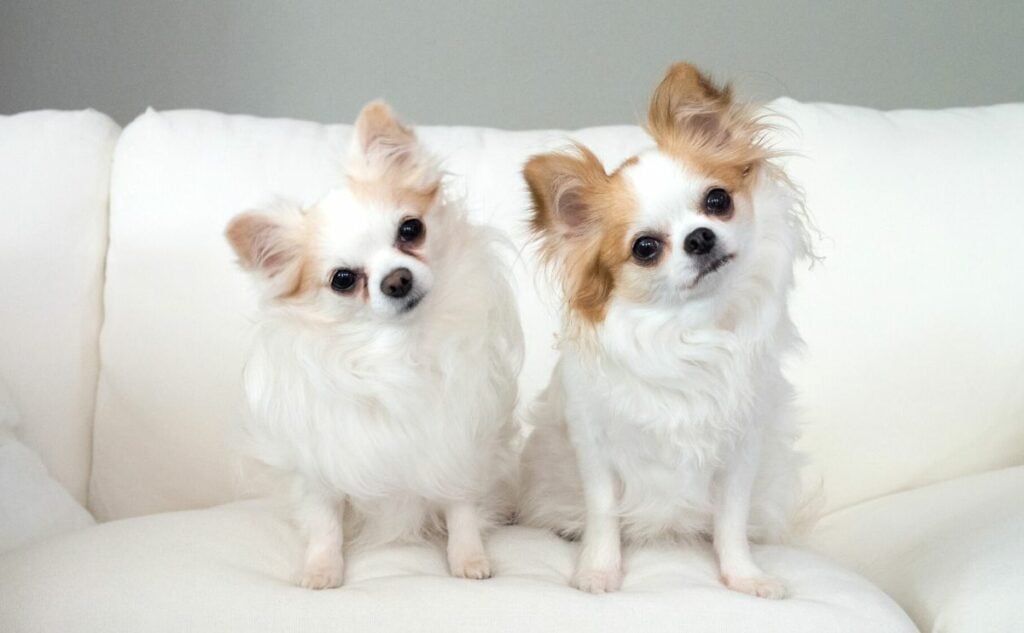
Why Do Canines Lick Every Different’s Mouths After Consuming?
This is likely one of the commonest occasions you’ll discover it. Canines lick one another’s mouths after meals as a result of meals smells linger. A canine’s sense of odor is so highly effective that even tiny traces of kibble, meat, or peanut butter are detectable on one other canine’s breath.
There’s additionally an instinctual angle. Within the wild, pups lick grownup muzzles after searching journeys to set off regurgitation of meals. Home canines don’t depend on that anymore, however the intuition lingers.
In case your pup licks one other canine proper after consuming, it’s often extra about curiosity than affection. It doesn’t imply they’re hungry or underfed — they’re simply trying out what the opposite canine had for dinner.
Do Canines Lick Every Different’s Mouths To Present Dominance?
Truly, it’s often the other. Most mouth licking is a submissive gesture. When one canine licks and the opposite merely accepts it, the licker is acknowledging the opposite’s increased standing.
That mentioned, dominance and submission in home canines aren’t as inflexible as they’re in wild packs. Generally, canines lick one another out of affection or behavior, not hierarchy. The bottom line is to take a look at the larger physique language image: is the licking canine decreasing its head, avoiding eye contact, or rolling barely onto its aspect? That indicators submission.
So whereas dominance performs a job, mouth licking is extra about respect and appeasement than bossiness.
Is It Protected For Canines To Lick Every Different In The Mouth?
Normally, sure. Wholesome canines licking one another’s mouths is innocent. However there are exceptions value noting:
If one canine is sick (kennel cough, higher respiratory an infection, parasites), mouth licking can unfold sickness.
If there are mouth wounds, micro organism can cross from one canine to a different.
If one has extreme dental illness, licking might switch micro organism that worsen oral well being.
Backside line: protected between wholesome, vaccinated canines, however higher averted when sickness or an infection is concerned.
Why Does My Canine Lick My Pet’s Mouth All The Time?
Grownup canines usually lick puppies’ mouths for 2 causes:
Affection and bonding: Puppies are susceptible, and adults usually consolation them with mild licks.
Intuition: Within the wild, this licking would encourage mother to regurgitate meals for pups.
Puppies might also lick grownup mouths much more continuously, carrying that very same evolutionary sign: “Feed me, shield me.”
In case your grownup canine is licking your pet lots, it’s often a great signal of acceptance and bonding. However preserve a watch out. If it turns into fixed licking, it might tip into anxiousness or overprotection.
Why Do Some Canines Lick Extra Than Others?
Identical to folks, canines have particular person personalities. Some are pure lickers, whereas others hardly ever dish out slobbery kisses. A couple of components affect this:
Breed tendencies: Social, affectionate breeds (like Retrievers or Spaniels) usually lick greater than impartial breeds (like Basenjis).
Early experiences: Puppies raised in shut contact with their littermates might lick extra as adults.
Stress ranges: Anxious or high-energy canines might lick as a coping mechanism.
There’s additionally a genetic angle — in wolves, some people lick packmates much more usually than others, suggesting innate variations.
So in case your canine licks always whereas your neighbor’s barely licks in any respect, don’t fear. It’s often a mixture of intuition, character, and context.
Closing Ideas: Drool Occurs
Canine mouth licking would possibly gross us out, however for canines it’s an historic, instinctive, and deeply social ritual. More often than not, it’s innocent — and generally it’s even helpful.
And when you actually need to perceive your pup higher, try our guides on canine physique language, how canines talk with one another, and why canines sniff the whole lot. The extra you be taught, the much less these soggy greetings will shock you.
What about your pup? Have you ever caught them in a slobbery mouth-lick second? Share your story within the feedback — we’d love to listen to it!


