


Whenever you buy via hyperlinks on our web site, we could earn a fee. Right here’s the way it works.
You’re strolling your canine when it occurs: one other pup seems, and abruptly your calm companion turns right into a barking machine. Sound acquainted? Embarrassing? Positive. However that noise isn’t naughtiness — it’s communication.
Canine don’t textual content or wave hi there; they bark to speak. Some barks say “Let’s play!” Others shout “Again off!” or “Hey, take a look at me!”
When you be taught to inform them aside and curb the barking, each stroll turns into much less nerve-racking and much more fascinating.
Why Do Canine Bark At Different Canine?
You’re definitely not alone for those who’re all the time questioning,” why does my canine bark at different canines?” When extreme, this habits can spoil your calm walks and canine socialization makes an attempt. I do know the issue all too nicely from my previous expertise with my pup Tiny.
Barking is without doubt one of the most important methods canines talk with the world round them. It’s completely pure for canines to vocalize in numerous conditions, from pleasure to warning to plain previous boredom.
When that barking occurs towards different canines, it’s normally rooted in a single (or extra) of the next emotional triggers.
1. Playfulness: “Hey, Pal — Come Be part of Me!”
Not each bark is aggressive. In lots of instances, your canine is solely attempting to provoke play. You would possibly discover a wagging tail, bouncy physique language, or perhaps a “play bow” — chest low, rear find yourself, tail wagging like a metronome.
These pleasant barks are your canine’s method of claiming, “You look enjoyable. Let’s go!”
Nevertheless, when a leash or fence is concerned, even playful power can sound intense. For this reason leash reactivity usually will get mistaken for aggression — the thrill will get bottled up and comes out louder than supposed.
The best way to reply:
Preserve calm and use a cheerful tone — your canine takes emotional cues from you.
Apply reward-based coaching by redirecting consideration with a deal with or cue like “Watch me.”
Schedule managed dog-to-dog greetings in impartial areas to construct constructive associations.
2. Frustration: “I Need to Say Hello, However I Can’t!”
This is without doubt one of the most typical causes canines bark at one another on walks. Your canine sees one other pup, needs to run over and play, however the leash says no. That restriction results in frustration barking — a mixture of pleasure and irritation.
Think about seeing your greatest pal throughout the road, however somebody received’t allow you to wave or say hello. That pent-up emotion comes out as a bark.
You’ll discover:
Strained leash pulling
Whining or high-pitched barking
Fast switching between pleasure and agitation
Over time, repeated frustration can snowball into reactive habits, the place your canine barks mechanically the second they see one other canine.
The best way to assist:
Give your canine extra probabilities to socialize off-leash in protected, fenced environments.
Educate “take a look at me” or “heel” cues to redirect focus.
Use distance: step again till your canine can keep calm, then reward quiet habits.
3. Consideration-Searching for: “Look At Me, Not Them!”
Generally, barking at one other canine isn’t concerning the canine in any respect — it’s about you. Your pup may need discovered that barking makes you look their method, discuss to them, and even hand out treats to quiet them down.
Over time, they determine: bark = consideration.
This may additionally occur in multi-dog households, the place canines compete to your focus.
Indicators it’s attention-based:
Your canine barks, then instantly seems at you.
The barking stops as quickly as you interact.
It occurs extra usually while you’re distracted.
What to do:
Don’t reward the bark. Look ahead to a second of silence earlier than giving consideration.
Reinforce calm habits with reward and treats.
Add enrichment — puzzle toys, sniff walks, and coaching video games — so your canine will get psychological engagement elsewhere.
4. Concern or Nervousness: “That Canine Scares Me!”
Nervousness or fear-based barking is defensive, not defiant. Your canine would possibly bark as a result of one other canine feels threatening, whether or not it’s attributable to dimension, posture, and even previous trauma.
Shelter canines or those that’ve had restricted publicity to different pups usually fall into this class.
You’ll discover:
Ears pinned again, tail tucked, physique leaning away
Deep, repeated barks moderately than playful yips
Presumably growling or snapping when approached too rapidly
These canines aren’t attempting to choose a combat — they’re asking for area. In line with Licensed Utilized Animal Behaviorist Dr. Patricia McConnell, worry barking is a coping mechanism, not an act of dominance.
The best way to assist:
Keep away from forcing interactions. Respect their consolation zone.
Pair distant canine sightings with high-value treats to create constructive associations.
Contemplate skilled steerage from an authorized behaviorist or force-free coach.
5. Territorial: “This Is My Turf!”
Canine are naturally wired to guard their area and household. If one other canine walks close to their dwelling, yard, and even favourite park spot, barking turns into their model of a “Preserve Out” signal.
In line with the American Society for the Prevention of Cruelty to Animals (ASPCA), your canine’s territory not solely can embrace the world surrounding their dwelling, but additionally, finally, wherever they’ve explored or related to you.
Territorial barking is usually accompanied by stiff posture, raised hackles, and chronic vocalization till the “risk” strikes away. Whereas it’s regular, it could possibly turn out to be extreme with out construction.
The best way to handle it:
Block visible triggers with privateness movie or strategic landscaping close to fences or home windows.
Educate a “quiet” cue and reward compliance.
Improve structured train — drained canines bark much less.
6. Undersocialization: “I Don’t Know What To Do Round Different Canine.”
Canine who weren’t correctly socialized as puppies could react to different canines with confusion, worry, or overexcitement. They merely don’t know the principles of canine etiquette.
In line with the American Veterinary Society of Animal Habits (AVSAB), the crucial socialization window for puppies is between 3 and 14 weeks of age. Lacking that stage could make future interactions unpredictable.
What to do:
Begin gradual, structured publicity with calm, pleasant canines.
Work at a snug distance earlier than shifting nearer.
Reward calm sniffing, glancing, and disengagement moderately than barking.
Even older canines can be taught higher manners — it simply takes time, persistence, and constructive reinforcement.
Did You Know?
Most leash reactivity begins earlier than age two, when canines are nonetheless studying social boundaries. Early socialization can stop lifelong barking habits.
Decoding The Sorts Of Barks
Not all barks sound the identical, and when you be taught the variations, you’ll perceive your canine higher than ever.
Right here’s a fast cheat sheet:
What Is Reactive Barking?
You’ve in all probability seen it — a canine that loses their cool the second one other pup comes into view.The lunging, barking, and pulling can look aggressive, however more often than not, it’s reactivity, not rage.
Reactive barking is an overreaction to a set off, like seeing one other canine, particular person, or perhaps a skateboard. It’s an emotional outburst — consider it as a canine panic assault moderately than unhealthy manners.
Why It Occurs
Reactivity normally comes from one among three roots:
Concern – “That canine makes me nervous.”
Frustration – “I need to greet them, however I can’t.”
Overexcitement – “Canine! Canine! DOG!”
Over time, your canine’s mind builds a sample:Set off → Bark → Adrenaline → Aid.The habits reinforces itself — they bark as a result of it really works.
In line with veterinary behaviorist Dr. Karen General, reactivity just isn’t dominance or disobedience. It’s a discovered stress response that may be modified via coaching and confidence-building.
Crimson Flags Of Reactive Barking
Barking and lunging the second one other canine seems
Ignoring treats or cues when overstimulated
Stiff posture, vast eyes, or tense tail
Escalates rapidly from pleasure to agitation
For those who see these indicators, your canine’s barking comes from stress, not stubbornness.
How To Assist A Reactive Canine
Managing reactivity is about decreasing stress, controlling the setting, and reshaping emotional responses.
Create DistanceThe farther your canine is from their set off, the extra they will assume clearly. Step off the trail, cross the road, or duck behind a parked automotive till they will keep calm.
Reward Calm BehaviorUse high-value treats (rooster, cheese, or freeze-dried liver) to reward your canine for quiet remark. Calm = reward. Barking = nothing.
Don’t Punish BarkingYelling or leash-jerking provides stress and confirms to your canine that different canines are unhealthy information. Keep impartial and redirect focus as a substitute.
Educate a Focus CueTry “Watch me.” Each time your canine makes eye contact, deal with. Over time, they’ll select you over chaos.
Prepare Under ThresholdExpose your canine to triggers at a protected distance — shut sufficient to note, far sufficient to remain calm. This “counter-conditioning” course of rewires their emotional response from panic to peace.
Actual-Life Barking Frustrations
My colleague shared her experiences dwelling with a reactive canine and what she’s doing to assist.
My candy previous lady, Daisy, is sort of 15 now, grey across the muzzle, slower on walks, and nonetheless completely satisfied she runs the neighborhood watch. She’s all the time barked at different canines, however currently it’s gotten so unhealthy we solely stroll her late at night time when nobody’s round.
It’s not aggression, it’s extra like she’s shouting, “I see you! Preserve your distance!” However as soon as she begins, my youthful canine joins in, and abruptly it’s a full-blown duet echoing down the block. Whereas I do know she means no hurt, it has made it awkward with the neighbors when she barks like a maniac at their tiny 5-pound Pom.
The reality is, senior canines usually get extra reactive with age. Declining listening to, imaginative and prescient, or confidence, even gentle cognitive decline, could make them anxious or fast to bark. For Daisy, it’s in all probability a mixture of that and her lifelong “massive emotions” towards different canines.
Right here’s what’s serving to:
Quiet routes + calm cues – choosing low-traffic paths and conserving my tone relaxed.
Deal with coaching – rewarding her when she doesn’t bark.
It’s nonetheless a piece in progress, however our walks are getting quieter now, not simply because it’s midnight, however as a result of Daisy’s studying she doesn’t should bark at each tail she sees.
– Danielle DeGroot, Rescue Canine mother & Canine Journal Author
How To Cease Your Canine From Barking At Different Canine
Stopping your canine’s barking isn’t about “silencing” them — it’s about altering what the bark means. When your pup learns that calm habits will get rewards and rigidity doesn’t, the barking naturally fades.

1. Keep Cool — Your Canine Feeds Off You
Canine mirror human feelings. For those who tense up or yank the leash, your canine’s stress spikes. As a substitute:
Take a deep breath earlier than reacting.
Preserve your voice calm and upbeat.
Transfer away easily as a substitute of dragging your canine.
Your calm power indicators that the state of affairs isn’t harmful.
2. Construct Optimistic Associations
Your purpose: educate your canine that seeing one other canine = one thing good occurs.
Do that:
The second your canine spots one other canine, earlier than barking begins, say “Sure!” and supply a deal with.
In the event that they keep calm, reward once more as the opposite canine passes.
Over time, the sight of one other pup predicts treats as a substitute of rigidity.
This technique, known as counter-conditioning, is extensively endorsed by fashionable trainers like Victoria Stilwell and is confirmed to scale back reactive responses over time.
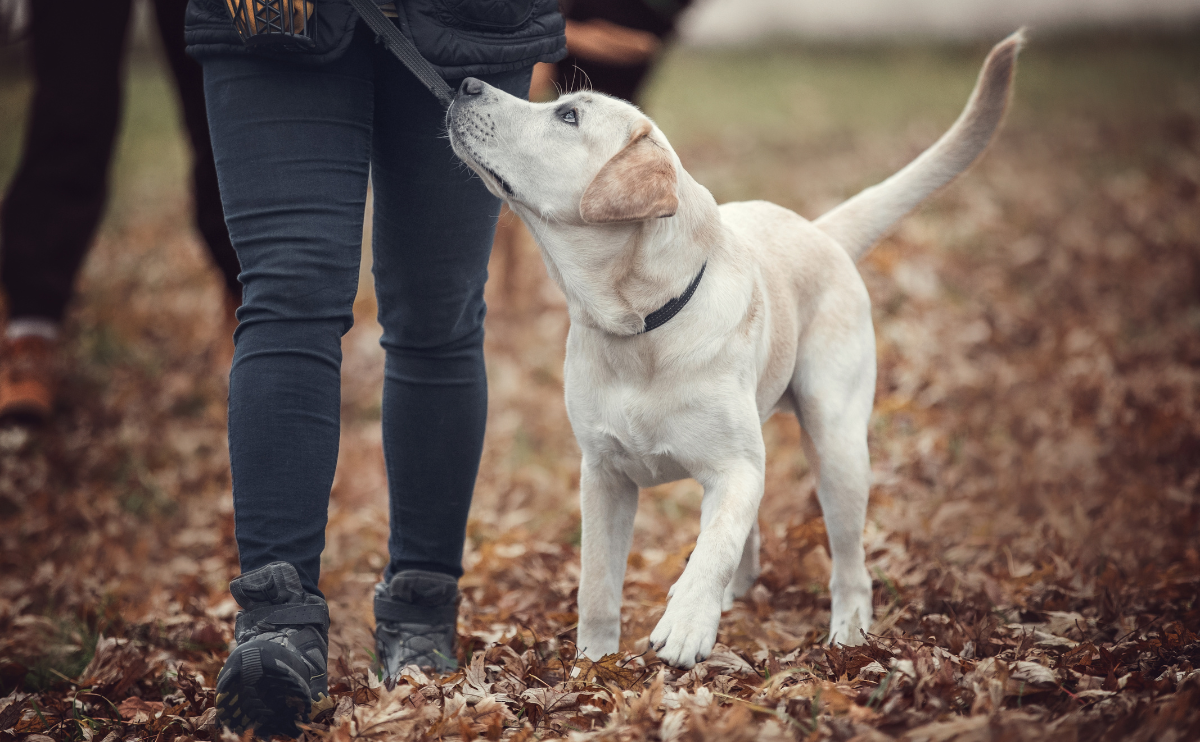
3. Apply “Have a look at That” Coaching
From Leslie McDevitt’s e book Management Unleashed, this technique flips the script:
Your canine seems at one other canine.
You mark (“Sure!” or click on).
Your canine seems again at you for a deal with.
It turns triggers into alternatives for focus — a sport as a substitute of a risk.
4. Improve Distance and Distraction
In case your canine is already barking, they’re previous the training level. Transfer farther away till they will relax. Then apply from that new “protected zone.”
Useful distractions:
Deal with scatter (tossing treats on the bottom to smell out)
“Discover it” sport to shift focus
Light voice instructions or methods your canine already is aware of
5. Use Bodily Aids Properly
Generally instruments make all of the distinction — so long as they’re mild and supportive, not punitive.
Good choices:
Keep away from choke, prong, or shock collars — they improve worry and worsen reactivity.
See our evaluations of the very best harnesses for canines that pull.
6. Tire Out the Mind, Not Simply the Physique
A mentally glad canine is much much less reactive. Add day by day sniff walks, interactive toys, puzzle feeders, or coaching video games to burn off extra power in wholesome methods.
In line with analysis from the College of Bristol, mentally enriched canines present fewer indicators of stress and reactivity general.
Fast enrichment concepts:
Disguise-and-seek with treats
Frozen Kongs
Nostril work or “discover it” scent video games
7. Preserve Greetings Brief & Candy
Even pleasant canines can bark when greetings drag on too lengthy. When assembly one other canine:
Ask permission earlier than approaching.
Enable a number of seconds of sniffing, then name your canine away.
Finish on a constructive word earlier than rigidity builds.
Brief, structured interactions construct confidence and stop over-arousal.
8. Reward What You Need, Ignore What You Don’t
Canine repeat behaviors that get outcomes. If barking will get consideration (even destructive consideration), it’ll proceed. As a substitute:
Reward calm habits on walks (quiet glances, free leash).
Use a marker phrase like “Sure!” to sign success.
Keep constant — one exception can undo every week of progress.
9. Know When To Give up
If coaching classes really feel like a meltdown ready to occur, finish early. It’s higher to have three calm minutes than twenty chaotic ones.Reactivity takes time to fade, and persistence pays off.
On-line coaching packages could make a giant distinction in case your canine’s barking feels uncontrolled. See our skilled evaluations of the very best on-line canine coaching programs, from customized teaching to reactive-dog help, and discover one that matches your pup’s wants.
When It’s Time For Skilled Assist
Generally, regardless of your greatest coaching efforts, your canine’s barking doesn’t get higher — and even will get worse. That’s when it’s time to name in reinforcements.
Reactivity and fear-based barking can stem from deep emotional roots that want an skilled’s eye. Knowledgeable canine behaviorist will help determine triggers, modify your coaching plan, and educate you dealing with abilities to maintain each you and your canine protected.
Your canine barks, lunges, or growls even from lengthy distances
They’ve bitten or snapped at one other canine
You are feeling anxious or unsafe strolling them
Coaching progress has stalled after weeks of consistency
You’re not failing your canine by asking for assist; you’re giving them the very best probability to succeed.
Who To Flip To
Licensed Canine Coach (CPDT-KA) — focuses on constructive reinforcement and habits shaping.
Veterinary Behaviorist (DACVB) — a licensed vet who can assess nervousness, prescribe drugs if mandatory, and design a personalized habits plan.
Concern-Free Licensed Coach — skilled to scale back stress in anxious or reactive canines.
You’ll find credentialed assist via:
Many homeowners discover that combining behavioral coaching with anti-anxiety drugs or dietary supplements can dramatically cut back reactivity. Speak to your vet earlier than beginning something new.
Protecting Behavioral & Different Veterinary Prices
Vet diagnostics, behavioral coaching consults, and behavioral therapies can add up. An excellent pet insurance coverage plan will help cowl sudden prices for a lot of completely different well being and behavioral issues.
Discover our greatest pet insurance coverage suppliers to see which plans suit your canine and finances. Take into account that securing a coverage whereas your canine continues to be wholesome and younger is vital as a result of most insurers don’t cowl pre-existing situations.
Ceaselessly Requested Questions
Questioning why your pup nonetheless barks at different canines? You’re in good firm! Try these fast solutions, and in case your query’s not right here, ask us within the feedback beneath.
Why Does My Canine Bark At Some Canine However Not Others?
Canine are identical to us — they’ve preferences. Your pup would possibly react extra strongly to sure breeds, sizes, or power ranges that remind them of a nasty expertise.
Some canines are delicate to eye contact or posture that feels “off.” Preserve a psychological word of which sorts set them off, which is able to aid you handle future encounters.
Why Do Canine Bark At Different Canine By means of Home windows Or Fences?
That’s territorial barking, when your canine sees one other canine getting into what they think about their zone. Closing blinds, including frosted window movie, or utilizing white-noise machines can minimize down visible and auditory triggers. You may also educate a “quiet” cue by rewarding silence when the opposite canine passes.

Is It Regular For Puppies To Bark At Different Canine?
Sure. Puppies are nonetheless studying canine manners! Early socialization is essential, ideally between 3 and 14 weeks previous. Introduce your pet to calm, vaccinated canines in managed settings in order that they be taught that different pups are pleasant, not horrifying.
Ought to I Let My Canine “Work It Out” With One other Canine?
No. Letting canines “work it out” can rapidly escalate to aggression. If barking begins, redirect and create distance. Managed coaching setups moderately than compelled confrontations are the most secure method to assist your canine enhance.
Can Bark Collars Assist Cease This Habits?
In gentle instances, bark collars might be useful; nonetheless, they don’t deal with the basis trigger (worry, frustration, or nervousness). If used improperly, they will additionally improve stress and worsen reactivity over time. Persist with positive-reinforcement coaching and seek the advice of an expert for sustainable outcomes.
What’s The Distinction Between Barking And Aggression?
Barking is communication. Aggression entails intent to hurt. A barking canine could be scared or excited, whereas an aggressive canine reveals stiff physique language, growling, snarling, or snapping. For those who’re not sure which applies to your canine, get a habits evaluation. It’s the most secure solution to know what’s actually occurring.
Understanding Canine Communication
Canine have whole conversations with out saying a phrase — a bark, a look, a tail flick all imply one thing.Once we be taught to learn these cues, we cease guessing and begin connecting. Study extra concerning the methods canines talk with one another and their physique language when speaking with us.
Does your canine bark at different canines on walks or at dwelling? What lastly labored for you? Drop your story within the feedback — your expertise would possibly assist one other canine father or mother discover peace on their subsequent stroll.


