

While you buy by way of hyperlinks on our web site, we might earn a fee. Right here’s the way it works.
You’re drifting off to sleep when your canine’s loud night breathing jolts you awake. It’s greater than a mild rumble — generally they gasp, snort, and even cease respiratory for just a few seconds. It’s simple to snigger it off, however these noisy nights might sign one thing extra severe: canine sleep apnea.
Similar to people, canine can expertise interrupted respiratory throughout sleep, and it might have an effect on their vitality, well being, and even coronary heart perform over time. Some breeds are extra susceptible than others, and recognizing the indicators early could make all of the distinction.
On this information, I’ll break down what sleep apnea seems to be like in canine, why it occurs, and the way vets may help your pup sleep (and breathe) soundly once more.
What Is Sleep Apnea?
Obstructive sleep apnea (OSA) is a dysfunction that causes repeated pauses in respiratory throughout sleep. These pauses, often called apneas, can final 10–20 seconds or longer and disrupt the conventional sleep cycle, particularly throughout REM (fast eye motion) sleep, when muscle tissues naturally loosen up.
Can Canines Have Sleep Apnea?
OSA isn’t only a human downside; canine can develop it, too. In each species, it’s brought on by one thing blocking the higher airway throughout sleep, making respiratory shallow or stopping it altogether for a number of seconds at a time.
Throughout REM sleep, a canine’s throat and tongue muscle tissues naturally loosen up. If their airway is already slender — from allergy symptoms, extra weight, or anatomy — these relaxed muscle tissues can collapse inward and minimize off airflow.
That’s why you may discover your canine loud night breathing, gasping, or momentarily stopping respiratory whereas asleep. Some pups even jerk awake as their physique reacts to the shortage of oxygen.
Fast Reality: As a result of canine can’t describe fatigue or morning grogginess, the primary indicators of sleep apnea are normally seen by observant house owners who discover pauses in respiratory, gasping, or stressed nights.
Why Some Canines Battle To Breathe In Their Sleep
Sleep apnea shouldn’t be a illness by itself however a symptom of an underlying downside that restricts airflow. The most typical culprits contain:
1. Flat-Confronted Breeds & BOAS: When Cute Noses Trigger Massive Issues
Canines with quick, flat faces, comparable to English Bulldogs, Pugs, French Bulldogs, Boston Terriers, and others, are genetically predisposed to airway obstruction. This cluster of anatomical points is called brachycephalic obstructive airway syndrome (BOAS).
Anatomical options can embody:
Stenotic nares: Slim or underdeveloped nostrils that limit the quantity of air coming into the nasal passages.
An elongated taste bud: The taste bud behind the roof of the mouth is just too lengthy and hangs down, partially or absolutely blocking the airway.
Hypoplastic trachea: The windpipe is narrower than regular, making it tougher for air to cross by way of to the lungs.
Everted laryngeal saccules: The tissue contained in the larynx (voice field) will get pulled outward and into the airway as a consequence of elevated respiratory effort.
Different potential options: Some canine may additionally have enlarged tonsils or an enlarged tongue that takes up extra space than regular within the oral cavity.
These buildings make respiratory harder, particularly throughout sleep when throat muscle tissues loosen up. Even gentle loud night breathing in a brachycephalic canine could be an early warning signal.
See 19 brachycephalic breeds which are affected by some type of BOAS. This dysfunction can vary from gentle to extreme.
2. Allergy symptoms That Clog Up Your Pup’s Airway
Allergic reactions, whether or not from pollen, mud mites, smoke, or meals, could cause nasal irritation and airway swelling, which slender your canine’s respiratory passages. Canines with persistent allergy symptoms typically snore, snort, or have labored respiratory even whereas awake.
If nighttime respiratory issues worsen throughout allergy season, your vet might discover remedy choices like antihistamines or environmental adjustments.
Think about An At-Dwelling Canine Allergy Take a look at
Some house owners strive at-home canine allergy checks that analyze saliva or hair samples to detect potential meals and environmental sensitivities.
Additional physique fats, particularly across the neck and chest, can compress the airway and make it tougher for a canine to breathe deeply whereas sleeping. Weight problems additionally will increase the chance of coronary heart and respiratory points, which might compound sleep apnea signs.
Sustaining a wholesome weight by way of a balanced eating regimen and common train is among the easiest methods to cut back your canine’s threat. In case your pup is chubby, seek the advice of your vet for a correct weight reduction plan.
Did You Know? Only a 20% drop in physique weight can considerably enhance airflow and ease inhaling chubby canine.
4. Getting Older Can Make Respiration More durable, Too
As canine become older, muscle tone naturally decreases, together with within the throat and taste bud. This rest could make the airway extra collapsible throughout deep sleep.
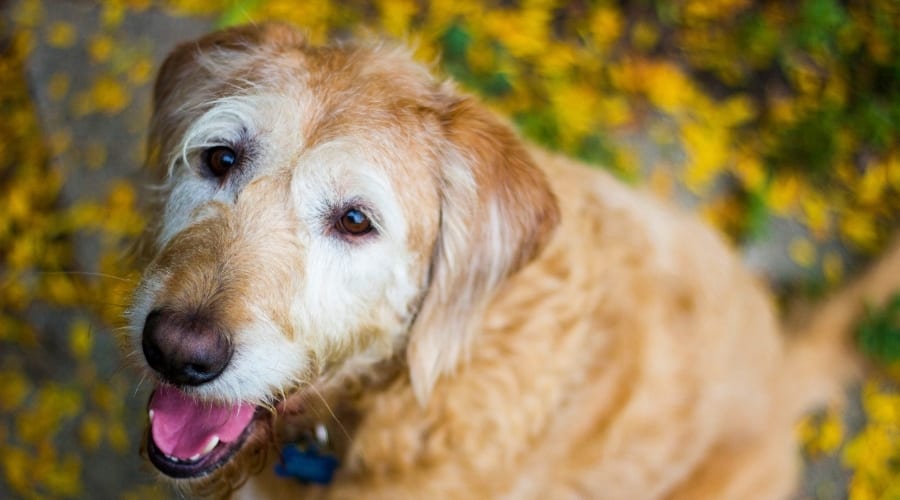
Senior canine are additionally extra prone to have underlying coronary heart, lung, or neurological points that will worsen respiratory interruptions. Common vet checkups assist establish early indicators earlier than they progress to sleep apnea.
Is My Canine’s Breed Extra Possible To Get Sleep Apnea?
Some canine are merely constructed to wrestle a little bit extra with respiratory, particularly these with quick, flat faces. Their charming squished noses typically include slender airways, elongated smooth palates, and small nostrils, which make respiratory tougher throughout sleep.
Breeds At Larger Threat
Bulldogs (English & French) – thick taste bud and slender nasal openings
Pugs & Boston Terriers – compact airways simply collapse throughout REM sleep
Boxers & Shih Tzus – broad skulls with shortened snouts
Chubby or senior canine – further tissue or weaker throat muscle tissues can block airflow even in long-nosed breeds
Vet Perception: You don’t want a flat-faced pup to see sleep apnea. Any canine who beneficial properties weight, snores loudly, or gasps throughout relaxation deserves a vet checkup.
Sleep Apnea Signs You Shouldn’t Ignore
A canine with sleep apnea might visibly wrestle to breathe whereas sleeping, typically startling house owners who wake to the sound of gasps, snorts, or silence between breaths.
The hallmark signal is the presence of apneas (respiratory pauses) or hypopneas (very shallow breaths) that final 15–20 seconds or longer. These episodes can occur a number of instances an evening and sometimes go unnoticed except you’re watching intently.
What It Seems Like Whereas They’re Sleeping
Noisy or labored respiratory throughout sleep
Gasping, choking, or snorting
Pauses in respiratory (generally adopted by abrupt inhalation)
Loud loud night breathing, particularly in short-nosed breeds
Frequent waking or stressed motion at night time
Sleeping in an upright or uncommon place to open the airway
Mouth respiratory or drooling throughout relaxation
Daytime fatigue or lethargy
Temper or conduct adjustments from poor sleep high quality
Vet Tip: Sleep apnea signs are likely to worsen throughout REM sleep, when muscle tissues are most relaxed. In case your canine’s respiratory sounds tremendous throughout naps however worsens in deep sleep, that’s a clue price noting on your vet.
Is Sleep Apnea In Canines Harmful?
Sure. Untreated sleep apnea can turn into harmful over time. Every pause in respiratory reduces oxygen movement to the mind and coronary heart, which might trigger or worsen:
Coronary heart pressure or hypertension
Daytime exhaustion and cognitive adjustments
Elevated threat of accidents or temper adjustments
Worsening of present respiratory situations
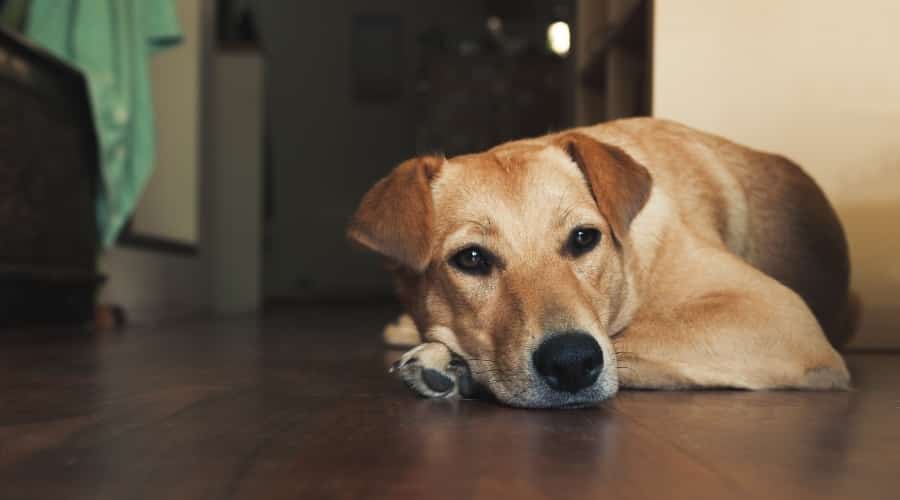
Canines with persistent sleep apnea may additionally expertise decreased high quality of life, as interrupted sleep results in irritability, nervousness, and decreased train tolerance.
Crimson Flag: In case your canine ever stops respiratory for greater than 20 seconds, seems disoriented upon waking, or collapses, deal with it as an emergency.
When It’s Time To Name The Vet
For those who discover any of the next, schedule a veterinary go to immediately.
Persistent, loud loud night breathing or gasping sounds throughout sleep
Your canine seems drained even after a full night time’s relaxation
Pauses in respiratory that occur a number of instances per night time
Loud night breathing worsens after weight achieve or allergy flare-ups
Habits or vitality ranges change abruptly
How To Monitor Your Canine’s Respiration At Dwelling
Between vet visits, you are able to do lots to trace how nicely your canine sleeps. A couple of minutes of quiet statement every night time can reveal patterns your vet will wish to see.
Simple At-Dwelling Remark Ideas
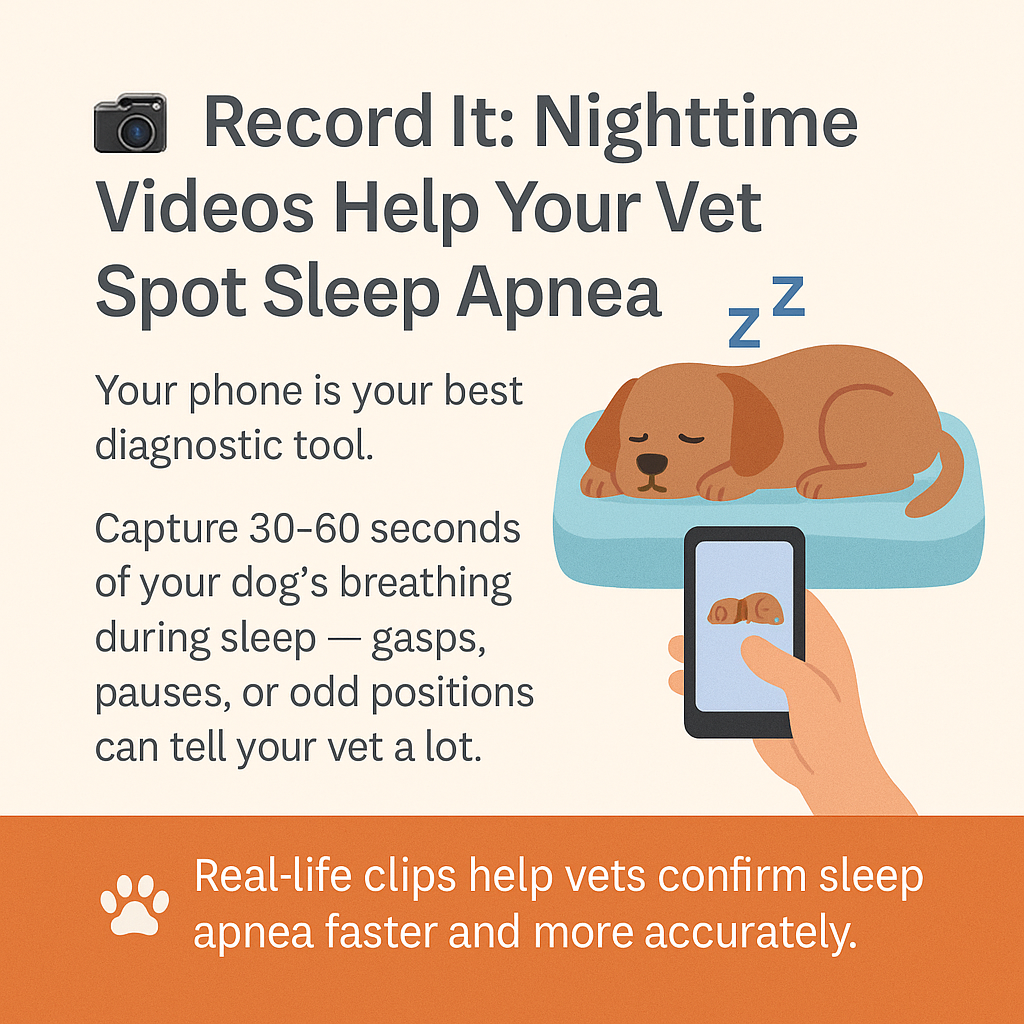
Document quick clips of nighttime respiratory
Look ahead to sleep place adjustments (upright, chin lifted, and so forth.)
Be aware any daytime fatigue or mouth respiratory
Maintain a symptom log for vet assessment
How Vets Diagnose & Deal with Sleep Apnea In Canines
The fitting remedy depends upon what’s inflicting the airway obstruction. Since sleep apnea is normally a symptom slightly than a standalone situation, your vet’s first objective is to establish and proper the underlying challenge, whether or not that’s anatomy, allergy symptoms, weight, or one other medical downside.
How Vets Determine Out What’s Going On
As a result of conventional sleep research (like human polysomnography) are not often carried out on pets, vets depend on a mix of statement, imaging, and symptom historical past.
Your vet might:
Evaluation a house video of your canine’s respiratory patterns at night time
Carry out a bodily examination of the nostril, mouth, and throat
Suggest chest or neck X-rays or CT imaging to test for airway narrowing or collapse
Use blood oxygen stage testing to measure how nicely your canine breathes whereas sleeping
In case your canine is brachycephalic (short-nosed), your vet may also carry out a BOAS analysis to test for surgically correctable points like an elongated taste bud or stenotic nares.

If an underlying situation is discovered, remedy is targeted on bettering airflow and lowering irritation.
Medicines, Weight Loss & Different Fixes
Anti-inflammatory medicines might assist scale back swelling within the throat or nasal passages.
Allergy therapies, together with antihistamines, corticosteroids, or environmental adjustments, can scale back congestion that worsens sleep apnea.
Weight administration plans can dramatically scale back signs in chubby canine.
Some vets might prescribe ondansetron (Zofran), a serotonin antagonist sometimes used for nausea, as a result of analysis exhibits it might enhance airway stability in some instances of obstructive sleep apnea. Nevertheless, that is thought-about an off-label use and will solely be executed underneath shut veterinary supervision.
Vet Perception: All the time focus on potential treatment negative effects and dosage specifics along with your veterinarian. What works for one breed or physique kind might not swimsuit one other.
Surgical Choices
For canine with Brachycephalic Obstructive Airway Syndrome (BOAS) or different structural airway abnormalities, surgical procedure could also be advisable to bodily widen the airway and restore clean airflow throughout sleep. These procedures are carried out by board-certified veterinary surgeons, typically utilizing specialised soft-tissue methods.
1. Comfortable Palate Resection (Shortening the Comfortable Palate)
In lots of flat-faced canine, the taste bud extends too far again, partially blocking the doorway to the windpipe. Throughout surgical procedure, the surplus tissue is trimmed and reshaped to create extra space for air to cross freely.
Aim: Forestall airway obstruction when throat muscle tissues loosen up throughout sleep.
Restoration: Most canine go dwelling the identical day, with restricted exercise and a soft-food eating regimen for about two weeks.
End result: Noticeably quieter respiratory and fewer nighttime loud night breathing as soon as swelling subsides.
2. Stenotic Nares Restore (Widening Slim Nostrils)
Some canine are born with very slender nostrils (nares) that make each breath a wrestle, particularly throughout exertion or relaxation. Surgeons can take away small wedges of tissue from the nostrils to enlarge the openings and enhance airflow.
Aim: Permit extra air by way of the nostril to cut back mouth respiratory and pressure on the airway.
Restoration: Delicate swelling and non permanent sneezing are frequent; therapeutic normally happens inside 10–14 days.
End result: Many homeowners discover instant enchancment in respiratory and vitality ranges.
3. Laryngeal Saccule Elimination (Everted Sacculectomy)
Power airway pressure could cause tiny tissue pouches, known as laryngeal saccules, to flip inside out and block airflow. A surgeon can fastidiously take away the protruding tissue to revive a transparent pathway to the lungs.
Aim: Get rid of soft-tissue obstruction close to the vocal cords that worsens with loud night breathing or exertion.
Restoration: Much like palate surgical procedure; canine are monitored for airway swelling and given anti-inflammatory treatment.
End result: Smoother, quieter respiratory and improved oxygen ranges throughout sleep.
Vet Perception: Some brachycephalic canine profit from a mix of those surgical procedures, carried out in a single session. When addressed early, they’ll dramatically enhance high quality of life and even prolong lifespan.
Why Pet Insurance coverage Is Price Contemplating
Whether or not it’s respiratory issues, allergy symptoms, and even an sudden harm or different sickness, vet payments can add up rapidly. Pet insurance coverage helps cowl the price of diagnostics and remedy for a lot of accidents and new sicknesses.
To match protection for frequent points like respiratory situations, obesity-related sickness, and emergencies, take a look at our knowledgeable information to the perfect pet insurance coverage suppliers.
Tip: Most plans don’t cowl pre-existing situations, so it’s finest to enroll your pup earlier than any respiratory issues or different signs seem.
How To Assist Forestall Sleep Apnea Earlier than It Begins
Whereas some causes of sleep apnea (like genetics or anatomy) can’t be prevented, you possibly can take a number of steps to cut back your canine’s threat and promote simpler nighttime respiratory.
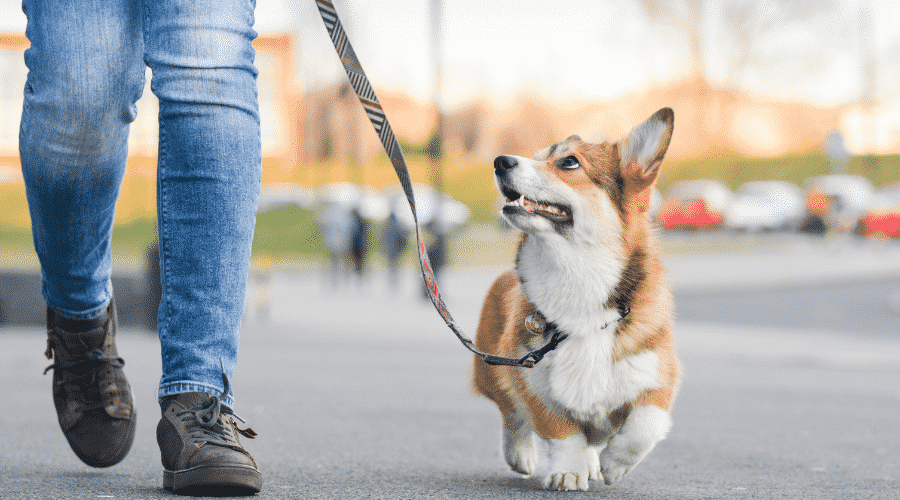
1. Maintain Your Canine at a Wholesome Weight
Additional kilos put stress on the chest and throat, which might worsen airway collapse. Feed a nutritious, portion-controlled eating regimen and make every day walks a routine. Even modest weight reduction may help scale back loud night breathing and enhance oxygen movement.
3. Handle Allergy symptoms Early
In case your canine’s respiratory worsens throughout pollen season or round mud, discuss to your vet about allergy testing or treatment. A dehumidifier or air air purifier also can reduce triggers indoors.
4. Create a Sleep-Pleasant Atmosphere
Maintain your canine’s sleep space quiet, cool, and clear. Wash bedding weekly to take away allergens and use a barely elevated mattress for canine who snore closely, particularly brachycephalic breeds.
Professional Tip: Orthopedic canine beds may help enhance airflow by taking stress off the neck and chest.
5. Schedule Common Vet Visits
Routine checkups assist catch respiratory or cardiac adjustments earlier than they worsen into persistent sleep apnea. Ask your vet to judge respiratory sounds, nasal airflow, and weight every go to, particularly as your canine ages.
Different Sleep Issues That Can Look Like Sleep Apnea
Sleep apnea isn’t the one sleep-related challenge your canine may face. Whereas unusual, different canine sleep problems can mimic or compound respiratory issues.
Insomnia
Canines might wrestle to fall or keep asleep as a consequence of ache, nervousness, or environmental adjustments (like transferring houses or new pets). Insomnia is commonly secondary to a different medical or behavioral challenge.
Narcolepsy
A uncommon neurological dysfunction that causes canine to abruptly go to sleep throughout exercise, generally collapsing mid-play. It’s most frequently genetic and identified by way of specialised testing.
REM Sleep Habits Dysfunction
On this situation, canine act out their goals by barking, working, or snapping of their sleep. It’s innocent in gentle instances however can sometimes result in self-injury or family accidents.
Enjoyable Reality: Canines spend about 10–12% of their sleep within the REM stage, which is once they dream. Twitching paws or smooth “woofs” are completely regular!
Ceaselessly Requested Questions
Canine loud night breathing and sleep points could be complicated, particularly when signs come and go. Under are among the commonest questions pet dad and mom ask about canine sleep apnea and nighttime respiratory issues. Don’t see yours right here? Ask us within the feedback!
Does A Canine Loud night breathing Point out Sleep Apnea?
Not at all times, however it may be a clue.
Occasional loud night breathing is regular, particularly in case your pup’s had a protracted, energetic day or is sleeping in a humorous place. Nevertheless, constant, loud loud night breathing accompanied by gasping, choking, or respiratory pauses might level to sleep apnea or one other airway challenge.
In case your canine’s loud night breathing is new, worsening, or paired with fatigue, it’s finest to report a brief clip and share it along with your vet for assessment.
Can Canines Die From Sleep Apnea?
Extreme, untreated sleep apnea can turn into life-threatening over time. Repeated oxygen deprivation strains the center, lungs, and mind, growing the chance of long-term issues like hypertension and cardiac points.
Whereas sudden loss of life from sleep apnea alone is uncommon, persistent oxygen loss and fatigue can shorten your canine’s lifespan and considerably scale back their high quality of life. Early prognosis and administration make an enormous distinction.
How Do Vets Take a look at For Sleep Apnea In Canines?
Most veterinarians begin by ruling out different causes of noisy or labored respiratory, like allergy symptoms, infections, or nasal blockages.
Assessments might embody:
Airway and nasal exams underneath gentle sedation
X-rays or CT scans of the neck and chest
Blood oxygen stage monitoring
Specialised veterinary hospitals can carry out sleep research (polysomnography) much like human labs, however these are uncommon and normally reserved for advanced instances or analysis.
What Breeds Are Most At Threat?
Canines with quick, flat faces, often called brachycephalic breeds, are essentially the most weak as a consequence of their naturally slender airways. These embody:
Bulldogs (English, French)
Pugs
Boston Terriers
Boxers
Shih Tzus
And extra
Chubby canine and seniors additionally face the next threat, even when they aren’t brachycephalic.
Can Canines Outgrow Sleep Apnea?
Most often, no, however signs can enhance with remedy. Puppies with gentle airway irritation or obesity-related apnea may even see reduction as soon as the underlying trigger is addressed. Nevertheless, structural points (like BOAS) sometimes require surgical correction to completely resolve.
Lengthy-term administration focuses on wholesome weight, allergy management, and avoiding overheating, all of which may help reduce flare-ups.
Are There CPAP Machines for Canines?
Whereas CPAP (steady optimistic airway stress) remedy revolutionized human sleep apnea remedy, there’s no canine-specific CPAP machine at the moment in the marketplace.
Human CPAP machines are usually not an acceptable remedy choice for canine as a result of they’ve completely different anatomical and physiological traits that make it troublesome to suit and use CPAP masks successfully.
Understanding Your Canine’s Sleep Habits
Sleep is when your canine’s physique repairs, goals, and recharges — so any disruption can take a toll on their well being and temper. Understanding canine sleep patterns helps you see what’s regular and what’s not.
Interested by your canine’s nighttime habits? Discover these associated reads:
Have you ever ever seen your canine cease respiratory or gasp throughout sleep? Share your expertise within the feedback — your story might assist one other pet guardian spot the indicators early.


