

Once you buy by hyperlinks on our web site, we could earn a fee. Right here’s the way it works.
Ignoring feels private. You say your canine’s identify. Nothing. No ear flick. No look. Only a canine who’s out of the blue very targeted on actually anything. In fact, you ask your self, “Why is my canine ignoring me?”
For those who’ve seen how selective this may be, you’re not imagining it. Your canine can hear a snack wrapper from three rooms away, but one way or the other misses your voice completely. Positive, it’s irritating, however it’s additionally helpful. How? It’s an indication you’re paying consideration, and it factors to how canine truly type info.
This normally isn’t about stubbornness or a slipping bond. It’s about precedence. When you perceive what your canine is responding to in that second, the conduct begins to really feel much less like rejection and extra like one thing that may be defined.
What “Ignoring” Really Means In Canine Conduct
When homeowners say their canine is ignoring them, they’re normally describing one thing very particular: no response. Not confusion. Not deafness. Only a noticeable lack of follow-through.
That distinction issues. And if you happen to’ve picked up on it, you’re already studying your canine extra precisely than you would possibly suppose. Most canine do hear their homeowners. They only don’t at all times act on what they hear.
Consciousness Normally Comes First
In lots of circumstances, your canine registers you earlier than they reply. The indicators are minor, however they’re there. You would possibly discover:
A short ear twitch
A fast look with out motion
A pause that feels promising, then quietly fizzles out
These moments are simple to overlook except you’re paying consideration. Catching them means you’re already tuned in, even when your canine isn’t cooperating simply but.
“Ignoring” Tends To Comply with Patterns
This conduct hardly ever exhibits up at random. Most homeowners discover the an identical variations time and again. Widespread patterns embrace:
Delayed responses, the place your canine responds as soon as the second passes
Partial responses, like acknowledgment with out motion
Context-specific silence, the place cues work from home however vanish elsewhere
If one among these feels acquainted, that’s truly useful. Patterns let you know the place responsiveness breaks down, not whether or not it exists in any respect.
A Small Mindset Shift That Helps
As an alternative of considering, “My canine is ignoring me,” strive considering: “My canine is prioritizing one thing else.”
That shift removes a number of frustration. It additionally displays how canine truly make choices. Once you see ignoring as info as an alternative of angle, you’re in a a lot better place to know what’s taking place and what to regulate subsequent.
And no, it doesn’t imply you’ve misplaced your canine’s consideration endlessly. It simply means one thing else briefly had the ground.
What Sort of “Ignoring” Canine Do You Have?
Most canine don’t ignore their individuals in the identical manner. For those who’ve been nodding alongside to date, you’ll in all probability acknowledge at the very least one among these.
The Selective Listener: Hears all the things. Responds… selectively.
The Environmental Marketing consultant: Wants to smell, scan, and assess earlier than replying.
The Well mannered Delayer: Acknowledges you straight away. Responds finally.
The Public Amnesiac: Good at house. Forgets all the things in public.
The “One Extra Second” Canine: Virtually responds. Wants one final sniff.
The Overstimulated Optimist: Absolutely intends to pay attention. An excessive amount of taking place.
Why Your Canine Tunes You Out In The Second
In case your canine listens nicely in some conditions and under no circumstances in others, that normally comes right down to context. Canine reply based mostly on what’s taking place round them proper now. The second itself carries a number of weight.
Out of your canine’s perspective, your voice is one sign in a busy stream of sensory enter, environmental exercise, and discovered expectations that quietly information the place their consideration goes.
Their consideration shifts towards no matter stands out most in that blend. That shift occurs shortly and with out a lot deliberation in your pup’s half.
1. Smells Usually Take The Lead
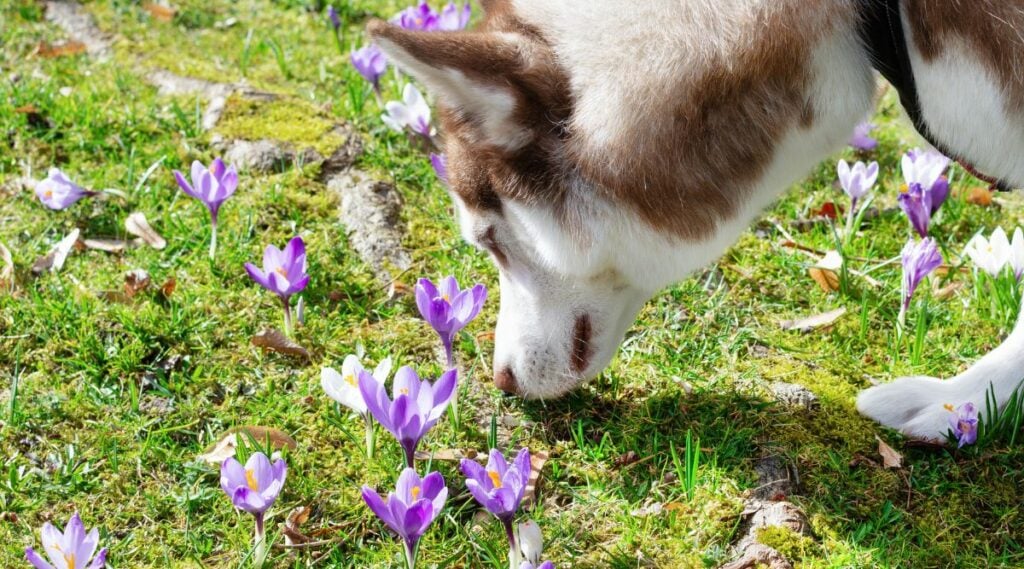
Odor tends to drag focus extra quietly than motion, which is why it’s simple to underestimate. The yard would possibly look unchanged to you.
To your canine, it’s stuffed with updates.
Who was right here?
What have been they as much as?
Why this spot deserves critical consideration
That sort of info holds consideration for a very long time, particularly when your canine is already engaged with it.
2. Motion Modifications The Image
Motion grabs consideration in a different way.
Squirrels with pressing plans
Leaves behaving unpredictably
Something that moved when it completely didn’t must
Even small, unpredictable movement can interrupt a well-known cue. Because of this a canine who responds simply indoors could wrestle the second one thing begins transferring outdoors.
3. Social Settings Add Complexity
Different individuals and canine improve the quantity of data your canine has to course of.
These environments include:
New smells all stacked on prime of one another
Folks or canine behaving simply unpredictably sufficient
Motion that retains altering course
Emotional vitality that’s noticeably louder
With extra occurring, consideration spreads out. Responses usually decelerate till issues really feel extra settled.
4. Previous Experiences Matter Right here, Too
Canine study patterns shortly. If responding slowly hasn’t modified something up to now, ready turns into a part of the sample. Not as a result of your canine is pushing boundaries, however as a result of there’s no obvious cause to hurry. This tends to point out up when:
Cues are repeated usually
Comply with-through varies
Rewards arrive late or inconsistently
Your canine is responding based mostly on what has made sense earlier than.
A Reassuring Manner To Look At It
When a canine responds nicely in some conditions and never others, it normally means the ability is there. They know the cue. They’ve responded to it earlier than. They’re able to doing it once more.
The distinction lies in what’s competing for consideration in that second. As soon as these patterns develop into clear, frustration drops and problem-solving will get simpler.
Emotional States That Shut Down Responsiveness
Understanding what competes to your canine’s consideration explains quite a bit. However typically responsiveness drops even when the atmosphere hasn’t modified a lot. That’s the place your canine’s emotional state begins to matter greater than what’s taking place round them.
Canine don’t separate emotion from conduct. If one thing feels off, thrilling, or overwhelming, their capacity to reply shrinks a bit.
This doesn’t imply your canine has forgotten their cues. It means their psychological bandwidth is getting used for one thing extra urgent.
1. Nervousness, Concern, Or Stress
Take into consideration moments when your canine appears bodily current however mentally clocked out with you. Their physique goes nonetheless, their mouth closes, their eyes observe the room like they’re ready for a pop quiz.
In that state, responding to cues drops low on the precedence listing, as a result of their nervous system is busy doing menace evaluation.
Stress and nervousness slender focus. A canine apprehensive about unfamiliar sounds, slippery flooring, tense interactions, or previous experiences is concentrating on staying protected, which frequently exhibits up as:
Slower responses or no response in any respect
Freezing, pacing, or sudden disengagement
Seemingly selective listening to in particular locations
Veterinary specialists, such because the Merck Veterinary Handbook, notice that stress and nervousness can scale back a canine’s responsiveness, even when cues are acquainted and well-learned. Nonetheless, because the atmosphere turns into extra emotionally steady, there’s merely extra bandwidth to your voice to register together with your pup.
2. Over-Arousal & Pleasure
Pleasure can look quite a bit like confidence, however it runs on the identical bandwidth drawback. When arousal spikes, impulse management drops, and cues begin bouncing off. It’s why your canine can reply completely in the lounge and fully neglect their identify the second a brand new individual seems.
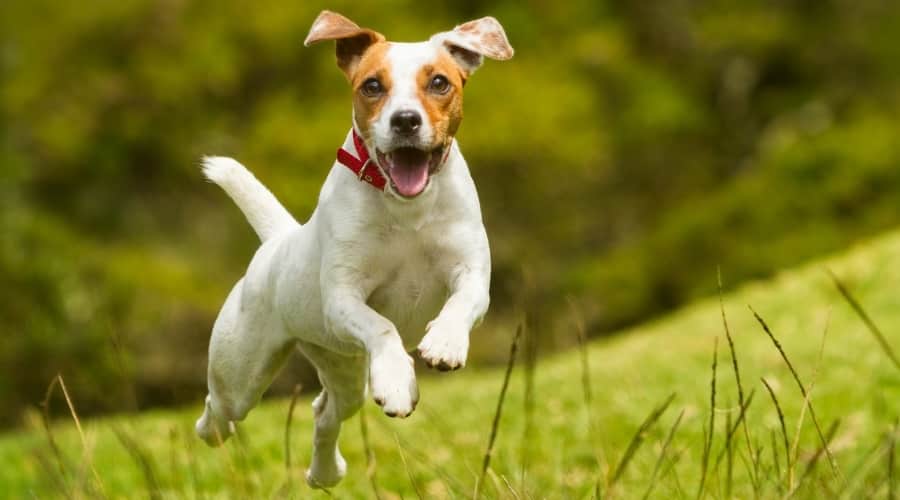
In these moments, your pup isn’t selecting to disregard you. Their mind is busy processing motion, anticipation, and momentum, and sound cues are inclined to get filtered out. You’ll discover it most when:
Greetings flip chaotic
Play escalates sooner than anticipated
Acquainted cues disappear throughout high-energy moments
Why This Issues
For those who’ve already seen that your canine struggles extra once they’re apprehensive, overstimulated, or wound up, adjusting expectations in these moments helps greater than repeating cues ever will. Nothing is unsuitable right here. Your canine isn’t being cussed. Their mind is just very full.
When Ignoring Is A Bodily Limitation
Generally responsiveness drops not due to motivation or emotion, however as a result of one thing bodily makes responding more durable than it was once. These adjustments are sometimes gradual, which makes them simple to misinterpret.

1. Discomfort Modifications How Shortly Canine Reply
Canine are good at working round discomfort, particularly when it builds slowly. A canine coping with stiffness, soreness, or low-level ache should still perceive a cue. They might simply pause earlier than performing, or skip responding altogether when the hassle feels greater than regular. You would possibly discover:
Slower reactions to acquainted cues
Hesitation earlier than transferring, turning, or getting up
Higher responses in some positions than others
2. Sensory Modifications Are Straightforward To Miss
Listening to and imaginative and prescient don’t normally disappear in a single day. They fade quietly.
A canine with gentle listening to loss could reply nicely once you’re close by however miss cues from one other room. Imaginative and prescient adjustments can have an effect on responsiveness in low gentle or unfamiliar areas, even when issues appear fantastic in the course of the day. This may seem like:
Missed responses except you’re in view
Delayed reactions to spoken cues
Higher responsiveness when routines are predictable
For those who’ve seen small adjustments like this, you’re not overthinking it. Many house owners catch these shifts lengthy earlier than they’re apparent.
3. Getting older & Cognitive Decline
As canine age, processing velocity adjustments. They might nonetheless perceive cues, however it takes longer for the message to journey from listening to to motion. That pause is straightforward to misinterpret, particularly in case your canine used to reply immediately.
The American Animal Hospital Affiliation’s senior care tips acknowledge that getting older can have an effect on how canine course of cues. You would possibly discover:
Delayed responses that enhance after a number of seconds
Confusion in new environments however not acquainted ones
Lengthy-standing habits that keep stable whereas newer cues fade
These shifts aren’t about effort or connection. They mirror how getting older brains prioritize info, which implies expectations and timing usually want minor changes as you progress ahead.
Why This Issues
When bodily adjustments affect responsiveness, repeating cues or including strain hardly ever helps. What does assistance is noticing patterns — when responses sluggish, the place they drop off, or when your canine appears extra snug participating once more.
For those who’ve already picked up on these shifts, you’re doing exactly what attentive homeowners do. You’re noticing how your canine strikes by the world because it adjustments, and adjusting expectations as wanted.
Motivation Gaps You Unintentionally Created
Generally, tuning out is just sensible out of your canine’s perspective. When day by day life stops asking a lot of them, responsiveness can slide down the precedence listing with out anybody intending it.
This usually exhibits up softly. Your canine isn’t performing out. They’re simply spending a number of time staring out the window, repositioning themselves for higher naps, or deeply investigating the identical patch of ground they’ve walked over 100 instances earlier than.
1. When Psychological & Bodily Wants Aren’t Fairly Met
A canine with unmet wants doesn’t at all times misbehave. Many don’t. As an alternative, they disengage.
When days lack sufficient motion, novelty, or problem-solving, cues begin to mix into the background. They’re nonetheless heard. They only don’t really feel important. You would possibly discover:
Wandering consideration throughout acquainted routines
Half-hearted responses that fade shortly
Sturdy curiosity within the atmosphere and low curiosity in interplay
Your canine isn’t being tough. What’s taking place is that their mind is underoccupied, and tuning out turns into the best possibility. For those who’ve caught your self considering, “They used to care extra about this,” you’re in all probability proper.
2. When Reinforcement Has Misplaced Worth
Rewards hardly ever cease working all of sudden. They fade step by step.
A deal with that when brought about instant enthusiasm can begin to really feel atypical, particularly if it exhibits up late or at all times seems the identical. In the meantime, the atmosphere retains providing thrilling alternate options, usually with out requiring something in return. You’ll usually see this when:
Your canine checks to see if the reward is seen earlier than responding
Cues work indoors, however unravel the second you step outdoors
Engagement spikes briefly, then drifts off once more
In these moments, repetition doesn’t assist a lot. What helps is restoring worth, so interplay begins to really feel value selecting once more, even when one thing extra fascinating is close by. The repair is making interplay value selecting once more.
Human Habits That Train Canine To Tune You Out
Ignoring doesn’t at all times come from the canine. Small, well-intentioned habits on the human facet can quietly educate a canine that cues are versatile, non-compulsory, or emotionally loaded. This occurs slowly, normally throughout on a regular basis moments when nobody is paying shut consideration.
1. Inconsistent Cues & Combined Alerts
Canine study patterns sooner than phrases. When cues change even barely from daily, or completely different individuals use completely different variations of the identical request, responsiveness begins to erode.
Your pup is sorting by conflicting info and hesitating as a result of readability is lacking. You’ll see this when:
A cue that works on Tuesdays however not Thursdays
A pause whereas your canine watches your face for further info
Sturdy responses with one individual and hesitation with one other
Over time, inconsistency teaches canine to attend and see what comes subsequent.
2. When Instructions Get Repeated Too Usually
Repeating a cue feels productive, particularly once you’re in a rush. To your canine, it usually seems like background chatter that hasn’t but required motion. When nothing adjustments after the primary request, ready (in your canine’s thoughts) turns into an inexpensive technique.
You’ll discover this sample when:
Responses that solely occur after the third or fourth repeat
Your canine strikes at a tempo that implies there’s no actual deadline
Your voice will get louder whereas your canine stays very calm in regards to the state of affairs
Repetition with out follow-through quietly trains endurance as an alternative of responsiveness.
3. Punishment, Frustration, Or Previous Studying Historical past
Canine bear in mind how previous interactions make them really feel. If cues are sometimes adopted by stress, damaging corrections, or unpredictable reactions, some canine scale back engagement as a coping technique.
The American Veterinary Society of Animal Conduct and different behavioral specialists warning that punishment-based approaches can improve worry and suppress engagement in our pups.
This may seem like:
Turning away or disengaging when addressed
Slower responses after errors
Higher efficiency when the strain is low
Studying historical past shapes responsiveness. When cues really feel emotionally predictable, participation tends to return with out drive.
Does This Sound Acquainted?
Your canine listens finest when issues are calm and predictable
Responsiveness drops after your routines change or when days get busy
Repeating cues doesn’t assist, however timing typically does
If that’s the case, you’re not coping with a cussed canine or a coaching failure. You’re seeing how consideration adjustments with context.
How To Rebuild Responsiveness (With out Beginning Over)
In case your first thought is, Nice, now I’ve to retrain my canine, take a breath. You in all probability don’t. What normally helps is tightening a number of on a regular basis moments which have gone a bit fuzzy over time.
1. Make Paying Consideration Price It Once more
Consideration improves when it advantages your pup — in the suitable manner. That doesn’t imply turning each interplay right into a coaching session. It means sometimes rewarding your canine for selecting you with out being requested. This works finest when:
Rewards arrive shortly
Engagement earns one thing sudden
Interplay ends earlier than curiosity fades
You’re not coaching obedience right here; you’re rebuilding the behavior of noticing one another.
2. Say Much less However Imply It Extra
Most of us speak to our canine quite a bit. An excessive amount of, fairly actually (I’m actually responsible of this). We repeat cues. We add commentary. We are saying their identify whereas they’re already busy after which maintain going when nothing occurs.
Over time, canine study there’s no rush. Nonetheless, canine want clear directions instantly. You may even see enchancment when:
You utilize the identical cue the identical manner each time
You say it as soon as — requests aren’t repeated
You wait till your pup responds
Canine reply finest to clear, constant indicators. Additional phrases, repeated instructions, or emotional overlays dilute which means over time. One cue, delivered as soon as, carries extra weight than a stream of reminders.
3. Decide Moments That Aren’t Stacked In opposition to You
Coaching fails most frequently when the atmosphere is working in opposition to you an excessive amount of. Managing distance, distractions, and setup offers cues a combating probability earlier than you ever say a phrase. Which may seem like:
Rising house from high-value distractions
Selecting calmer moments to apply
Adjusting expectations based mostly on location
4. Match Effort To Your Pup’s Emotional State
A canine’s capacity to reply adjustments with stress, pleasure, and fatigue. Anticipating the identical efficiency in each state results in frustration on either side. Adjusting effort to the second retains communication intact.
Decrease calls for work finest when:
Arousal is excessive
The atmosphere is new
Your canine is mentally or bodily drained
Responsiveness grows quickest when expectations observe what your canine can course of proper now.
5. Give Your Pup One thing Higher To Do
Responsiveness improves when a canine’s day isn’t constructed completely round ready. Ready to exit. Ready to eat. Ready for one thing to occur.
A canine with nothing to interact their mind tends to disengage from individuals as an alternative. Psychological and bodily shops don’t must be sophisticated. They only must exist. Strive:
Brief walks that enable precise sniffing, not simply overlaying distance
Easy problem-solving, like snuffle mats, puzzle toys, or mind video games
Small jobs that permit your canine take part, even when they create their very own guidelines
For those who’ve ever seen your canine listens higher after a great stroll, a sport, or an opportunity to make use of their mind, you’re not imagining it. Engagement and responsiveness are inclined to go hand in hand.
When canine are mentally and bodily glad, they don’t should seek for stimulation elsewhere. They’re calmer. They settle sooner. They usually have extra room to note you.
When Skilled Assist Is The Proper Transfer
More often than not, selective listening is one thing you may type out at house. However there are moments when bringing in an expert is a great subsequent step. The hot button is noticing how the change exhibits up, not blaming your self or your canine for it.
When A Vet Go to Makes Sense
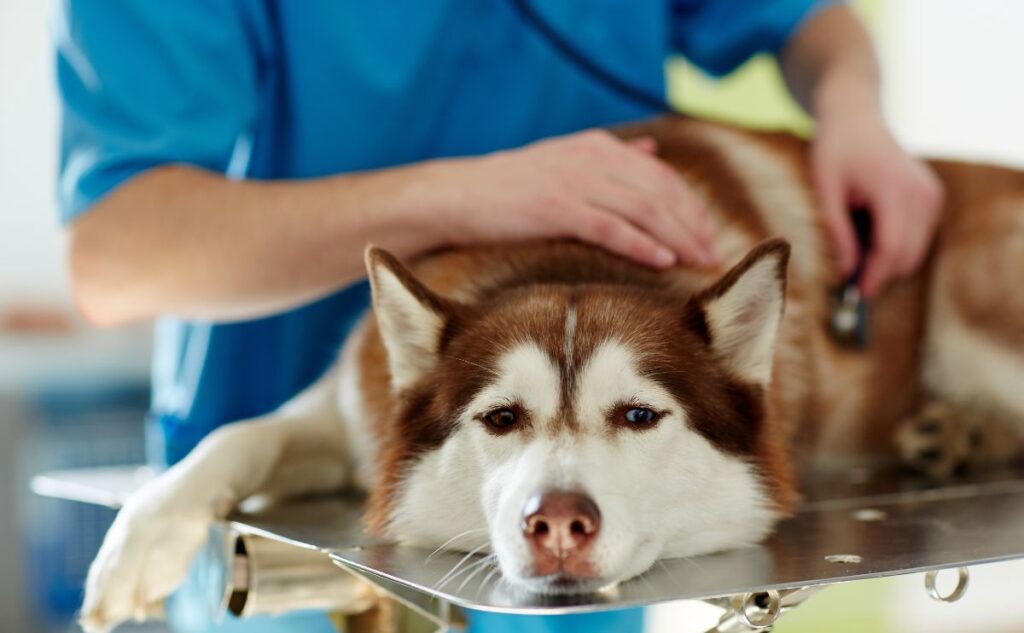
If responsiveness adjustments shortly, inconsistently, or alongside different refined indicators, it’s value contemplating a medical angle. Canine don’t separate bodily discomfort from conduct, so what seems like ignoring could be the primary seen signal that one thing else is occurring.
A vet verify is useful once you discover:
Sudden drops in responsiveness
Modifications in motion, urge for food, or sleep
Missed cues paired with stiffness, hesitation, or slower movement
Ruling out ache, sensory loss, or neurological adjustments offers you a extra simple path ahead.
When A Coach Or Behaviorist Can Assist
If responsiveness points persist and happen in particular conditions, outdoors help may also help spot patterns which can be arduous to see in day by day life. The proper match will depend on the issue. Generally:
A coach helps refine cues, timing, and atmosphere setup
A behaviorist addresses worry, stress, or emotional responses tied to studying
Good professionals don’t rush to labels or blame. They take a look at patterns, context, and changes that make issues simpler for everybody concerned.
When Pet Insurance coverage Can Assist
Most “ignoring” points don’t transform medical. However when responsiveness adjustments and a vet go to is on the desk, prices can rise shortly. Pet insurance coverage may also help take a number of the strain out of that call.
If a conduct change results in medical questions, insurance coverage could assist cowl:
Diagnostic exams
Bloodwork or imaging to rule out ache or neurological points
Therapy for sickness, damage, or mobility issues
Medicines tied to an underlying situation (protection for remedy will depend on the coverage you select)
Some insurance coverage even cowl behavioral remedy when deemed vital by your vet. Having protection could make it simpler to get solutions sooner, reasonably than ready it out. Try our professional’s information on one of the best pet insurance coverage suppliers to study extra.
A Fast Actuality Verify
Most plans don’t cowl pre-existing circumstances, and protection have to be in place earlier than issues come up. That’s why pet insurance coverage works finest as a security internet, not a last-minute repair.
Regularly Requested Questions
These questions have a tendency to return up when ignoring feels sudden, private, or situational. Every one factors to a barely completely different breakdown in communication. Don’t see your query right here? Ask us in our feedback.
Why Is My Canine Ignoring Me All Of A Sudden?
A brand new atmosphere, a routine change, a stressor, or bodily discomfort can all shortly have an effect on responsiveness. If the shift feels abrupt or uneven, it’s value taking note of what modified round your canine earlier than assuming the conduct itself is the difficulty.
Is My Canine Ignoring Me On Function?
No. Canine don’t actually do issues on goal in the best way individuals imply it. When a canine doesn’t reply, it’s normally as a result of one thing else has their consideration or they’re not in a terrific state to course of cues proper then. That’s decision-making, not defiance.
Does Ignoring Imply My Canine Isn’t Bonded To Me?
No. Bonding and responsiveness aren’t the identical factor. Many deeply connected canine nonetheless tune out when distracted, overwhelmed, or drained. Ignoring moments says extra about context than connection.
Why Is My Canine Avoiding Me?
Avoidance and ignoring aren’t the identical factor. Avoidance usually exhibits up when interplay predicts strain, confusion, or discomfort, so your canine creates distance as an alternative of disengaging passively.
Look ahead to patterns. If avoidance seems in particular conditions or after sure cues, that context holds the reason.
Why Does My Canine Ignore Me Once I Name His Title?
A reputation solely works if it reliably results in one thing significant. When it’s used consistently, repeated with out follow-through, or paired with frustration, it turns into background noise as an alternative of a sign.
Title responses enhance when the affiliation is obvious, and the result is value noticing.
Why Does My Canine Ignore Me When Different Folks Are Round?
Social settings change the mathematics. New individuals, motion, and unfamiliar conduct improve competitors for consideration, usually overwhelming cues that work completely at house.
This isn’t choice or loyalty shifting. It’s your canine responding to probably the most related enter in that atmosphere.
Understanding Your Canine’s Conduct
If you wish to higher perceive how canine course of info, talk, and navigate relationships with the individuals round them, these guides provide helpful subsequent steps:
Which moments of “ignoring” really feel most acquainted in your house, and when do you discover your canine tuning again in on their very own? Share any insights in our feedback. Your experiences could assist a fellow canine proprietor.


