


If you buy by means of hyperlinks on our web site, we might earn a fee. Right here’s the way it works.
You are feeling it earlier than you see it — that unmistakable weight of canine consideration. You look up, and there it’s: your canine, immobile, finding out you with the quiet focus of somebody who is aware of precisely the place the treats are hidden.
Should you’ve ever requested, “Why does my canine stare at me on a regular basis?” you’re in good firm. That regular gaze is among the most recognizable — and misunderstood — behaviors within the canine world. To people, staring feels intimate, typically even invasive. To canine, it’s merely communication.
A Temporary Historical past Of The Canine-Human Gaze
Lengthy earlier than canine turned our alarm clocks and dinner witnesses, their ancestors had been watching us from a distance and silently studying.
Early wolves that lingered close to human campsites found a survival benefit: those that paid consideration to human actions discovered extra meals and confronted much less battle. Over generations, the boldest watchers developed into our first domesticated canine — animals uniquely tuned to human habits.
Centuries later, that very same habits nonetheless drives your canine’s behavior of watching you throughout the lounge.
Fashionable science helps clarify how deep this bond runs. Researchers on the Yale Canine Cognition Heart discovered that domestication sharpened canine’ capability to observe human gaze — a ability even carefully associated wolves not often grasp. Of their experiments, canine simply used human eye path to find hidden meals, whereas wolves raised with individuals struggled. The takeaway: canine didn’t simply be taught to take a look at us; they developed to suppose with us.
In essence, eye contact turned a sort of shared language. What as soon as signaled hazard between predator and prey became a cooperative sign — a method to coordinate, anticipate, and join.
So when your canine research your each transfer, they’re not being nosy. They’re doing what millennia of partnership taught them to do: watch carefully, perceive rapidly, and act accordingly.
Did You Know?Canine are one of many few species confirmed to make constant, extended eye contact with people voluntarily. Even human-raised wolves keep away from direct gaze — a key clue in how canine developed to learn us so properly.
Why Does My Canine All the time Stare At Me?
A canine’s stare is a surprisingly nuanced factor. It may possibly really feel like affection, interrogation, or one thing in between.
To them, although, it’s easy. Staring is how they impart, interpret, and infrequently affect the people they share house with. Listed below are the most typical causes your canine watches you so intently and what each truly says.
1. They’re Exhibiting Affection
Generally your canine stares at you for a similar cause you’ll be able to’t cease taking a look at them: love, plain and easy, simply with a lot much less subtlety.
When canine and people lock eyes, one thing outstanding occurs. A 2015 research discovered that mutual gazes between canine and people set off a launch of oxytocin, the “bonding hormone” that cements emotional connection. It’s the identical chemical loop that makes mother and father fall in love with their newborns.
So when your canine gazes into your face, it’s biology at work. A loving stare is straightforward to identify — relaxed eyelids, mild expression, free physique language. No rigidity or agenda. Only a pure connection.
2. They’re Studying Your Feelings
Canine are skilled temper readers. You don’t have to say a phrase as a result of they’ve already famous your posture, tone, and whether or not your sighs sound like existential dread or delicate irritation.
Analysis printed in The Royal Society’s Biology Letters journal discovered that canine can mix visible and auditory cues to acknowledge human feelings. In different phrases, they don’t simply see your frown — they match it to your tone of voice and physique rigidity to determine how you’re feeling.
Should you’re glad, their tail wags.
Should you’re harassed, their ears droop.
Should you’re indignant, they watch you rigorously — not out of concern, however out of “I’ll wait till this passes.”
It’s empathy wrapped in intuition. Hundreds of years of domestication taught canine that studying us appropriately might imply security, meals, or affection. It’s a survival ability turned superpower.
They’re not judging your emotional rollercoaster; they’re using within the entrance seat with you. That’s why your canine hovers once you’re crying, or stares intently once you’re tense.
3. Curiosity: The Canine Means Of Saying “What Are You Doing?”
Canine are, at coronary heart, skilled observers. They watch every thing: your routine, your tone, the best way you attain on your sneakers versus your automotive keys. To them, you’re the world’s most fascinating documentary.
Curiosity drives a lot of that regular gaze. Canine are hardwired to note motion and sample; that’s how their ancestors stayed alive. Lately, the stakes are decrease, however the fascination stays.
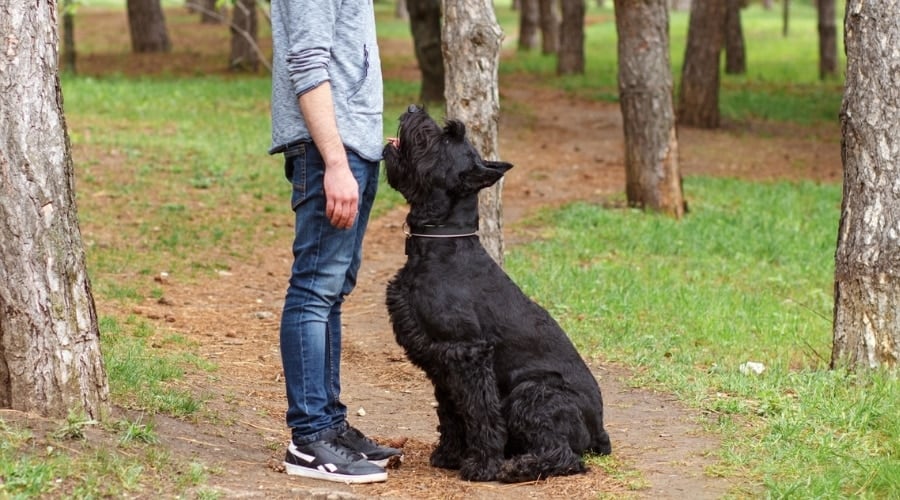
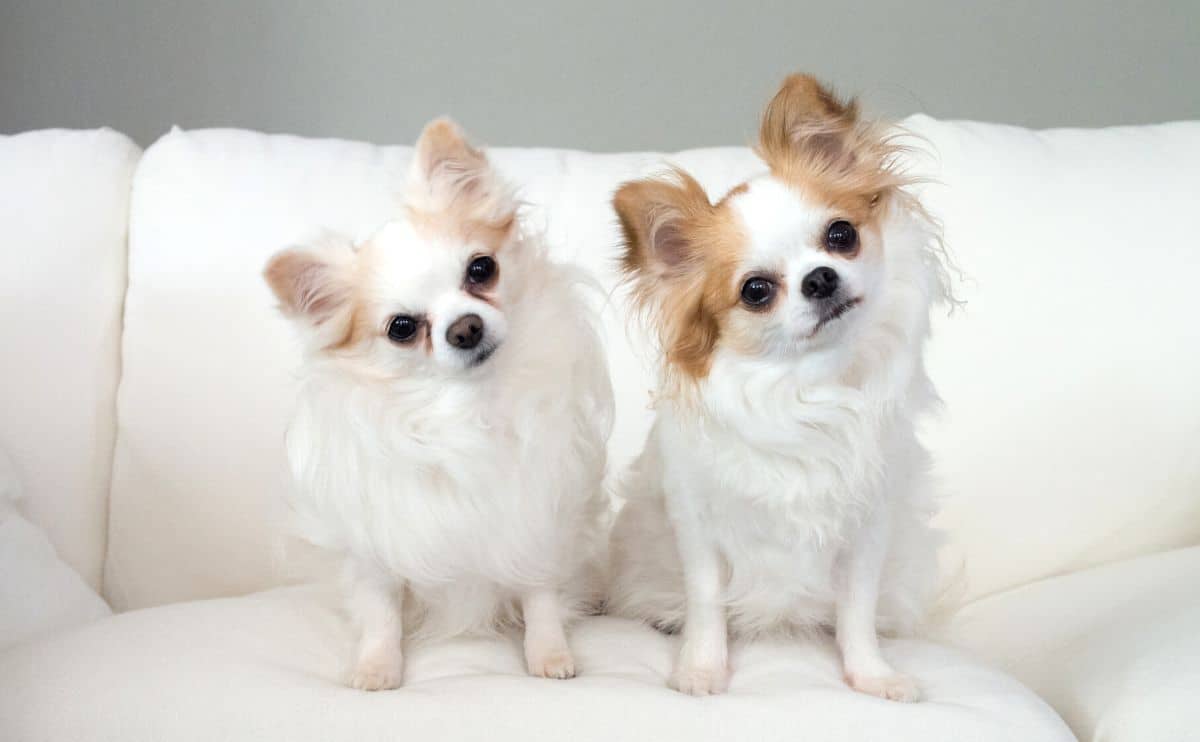
A curious stare is straightforward to identify: comfortable eyes, perked ears, a bit head tilt.
If it ever feels too intense, supply them path, resembling a fast “sit,” a toy, or a coaching cue. It channels that curiosity into one thing productive, and retains them from creating extra artistic hobbies (like counter-surfing).
Enjoyable FactTo your canine, you’re the world’s longest-running actuality present. Research present canine observe our micro-movements and even delicate shifts in physique place to foretell what occurs subsequent.
4. Speaking Desires Or Wants
Canine have mastered an historical artwork type: getting what they need with out saying a phrase. The stare is their language — equal components request, negotiation, and well mannered ultimatum.
Centuries of cohabitation have taught canine that people reply higher to eye contact than barking. A single, deliberate look can open doorways (actually), refill bowls, or finish a Zoom name early.
Widespread variations embody:
The Meals Stare: pupils barely wider, posture alert. You’re making ready meals, they usually’re finding out each wrist motion like a surgeon.
The Affection Stare: comfortable eyes, free physique, typically paired with a sigh. The canine equal of tapping your shoulder.
The Play Stare: ears ahead, tail sweeping the ground. “You appear under-stimulated. I can repair that.”
The Want To Go Potty Stare: intense and temporary. The message is pressing and non-negotiable.
Behavioral specialists imagine that canine steadily pair staring with directional cues, resembling a look towards the leash, toy, or door, to make clear the request. It’s a classy type of pointing with out fingers.
Responding persistently strengthens belief; ignoring it teaches confusion. And in case you misinterpret the “feed me” look as “let’s snuggle,” don’t fear. They’ll make clear, most likely by staring more durable.
5. The Pooping Stare
It’s the second each canine proprietor is aware of: your pet locks eyes with you mid-squat, as if in search of ethical assist throughout a personal ordeal. You look away; they don’t. There’s a cause.
When canine relieve themselves, they’re bodily compromised — a leftover intuition from life within the wild. Sustaining eye contact is a survival protocol. They’re checking to make sure you’re nonetheless on lookout obligation whereas they’re indisposed.
There’s even some scientific quirk to their focus. Analysis in Frontiers in Zoology discovered that canine typically align their our bodies with Earth’s magnetic discipline when eliminating. In order that lengthy, concentrated look isn’t drama — it’s orientation. Planetary and emotional.
6. Anxiousness Or Discomfort
Not each stare is affectionate or curious. Generally, it’s nervousness sporting a well mannered expression.
When canine really feel uneasy with a loud noise, a stranger, or an unfamiliar atmosphere, they typically look to their homeowners for steerage. It’s referred to as social referencing: the intuition to examine your response earlier than deciding whether or not one thing is secure.
Veterinary behaviorists word that anxious canine might maintain eye contact longer than traditional, hoping for reassurance. The stare could also be paired with different cues — a tucked tail, lowered physique, or licking lips.
A relaxed tone, regular posture, and comfortable eye contact may help. Responding with endurance tells your canine that no matter’s taking place is manageable. Reacting with rigidity, even unintentional, can affirm their fears.
If anxiety-driven staring turns into fixed, it might sign persistent stress or underlying discomfort from an underlying medical drawback. , from joint ache to separation nervousness. A veterinary checkup and constant routine typically assist greater than verbal consolation alone.
7. Aggression
The “onerous stare” is the one each proprietor wants to acknowledge. In contrast to the comfortable, loving gaze that melts your coronary heart, this look is inflexible, nonetheless, and loaded with intent.
Canine use extended, unblinking eye contact as a warning sign — a transparent message to again off. The physique tells the remainder of the story: stiff posture, ahead weight, lips tight or barely curled. The ASPCA and different specialists stress that this isn’t “unhealthy habits,” however communication, the canine equal of “Don’t push it.”
Punishing or matching that vitality solely will increase danger. The proper transfer is to de-escalate by creating house, avoiding direct eye contact, and letting the canine reset.
If it occurs typically, seek the advice of a licensed behaviorist to assist establish what’s scary the aggressive response.
8. Cognitive Dysfunction
In case your senior canine stares at you (or at partitions, doorways, or nothing in any respect), it is probably not communication. It could possibly be confusion.
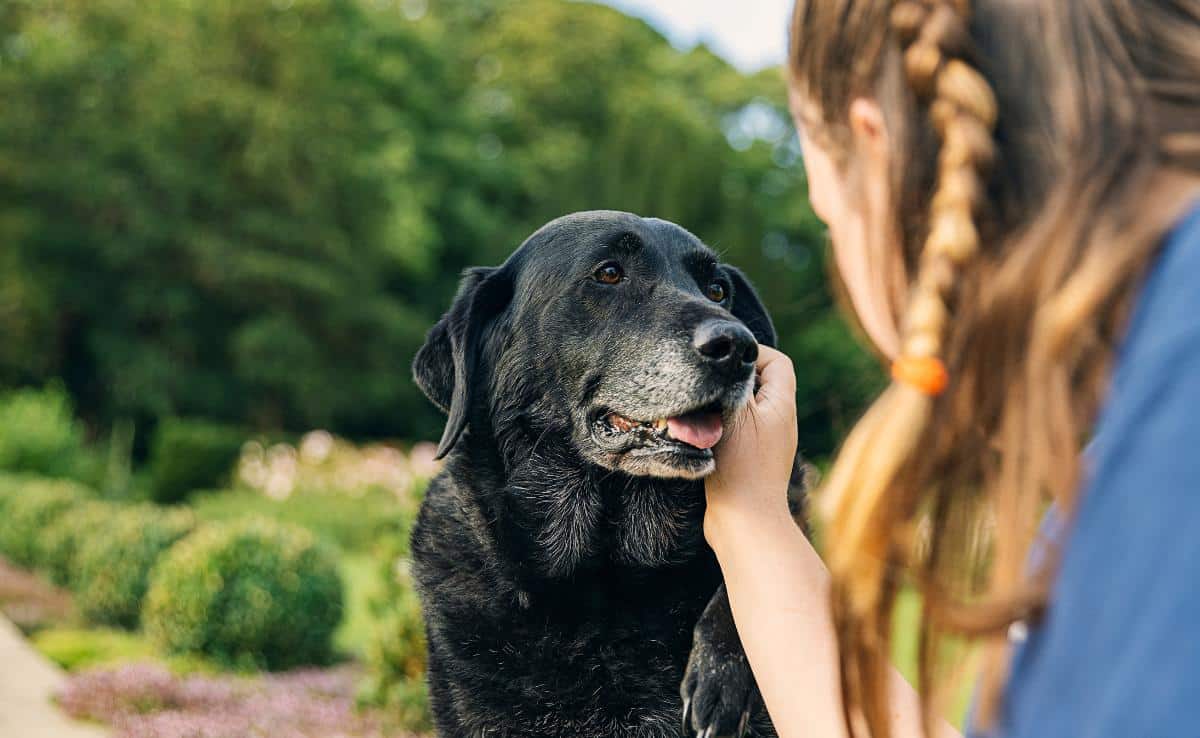
Canine cognitive dysfunction (CCD) is just like dementia in people. It impacts reminiscence, notion, and sleep-wake cycles. Canine might seem misplaced in acquainted areas or fixate on their homeowners as if making an attempt to recollect what they had been about to do. Signs, resembling staring into house, pacing, or immediately seeming disconnected, typically emerge progressively.
A veterinary examination can rule out ache, imaginative and prescient points, or neurological illness. If CCD is the trigger, a change in weight-reduction plan to a high-quality senior pet food, dietary supplements like omega-3s, environmental enrichment, psychological video games, and structured routines may help sluggish development and enhance consolation.
In these moments, the perfect response is endurance. Your canine might not at all times know who or what they’re taking a look at, however they nonetheless know you make them really feel secure.
How To Determine Out Why Your Canine Is Staring At You
Context is vital. By contemplating what you’re doing and once you’re doing it, you’ll be able to most likely work out what your canine is making an attempt to speak with their huge, expressive eyes.
Canine not often do something with out a cause. The trick is knowing what sort of stare you’re getting and what it means in context. Right here’s the right way to learn the room.
1. Discover When It Occurs
Patterns reveal function. If the stare occurs earlier than dinner, it’s most likely anticipation. Throughout a stroll, focus. Whilst you’re unhappy, consolation. Preserving a small psychological log of when and the way it happens can flip thriller into routine.
2. Learn The Relaxation Of The Canine
Eyes inform half the story. The remaining lies in your pup’s posture, ears, and tail.
Tender physique, wagging tail, relaxed face: affection or curiosity.
Stiff physique, ahead stance, nonetheless tail: rigidity or guarding.
Low physique, tucked tail, avoiding contact: stress or discomfort.
You should definitely take a look at our complete information on canine physique language to discover ways to decipher your canine’s communication cues.
3. Test Your Personal Power
Canine mirror us greater than we understand. Your temper, tone, and posture typically decide how they behave. Should you’re tense, they’ll search for clues; in case you’re calm, they’ll loosen up. In a method, that stare is suggestions — a silent audit of your emotional management.
Our Private Expertise With A Starer
When you begin paying consideration, you understand how constant these cues are. As my colleague Danielle shares…
I typically really feel like I’m being watched, as a result of I’m.
My canine Falkor, a 4-year-old Poodle-Beagle combine with the soul of a thinker and the main target of a stalker, spends most of his day watching me. He doesn’t simply look my method; he research me like I’m a live-action nature documentary titled “Human at Work: The Snack Dispenser Chronicles.”
If he’s on my lap, he tilts his head and gazes up like he’s decoding the mysteries of the universe (or probably debating if sitting nearer may yield extra stomach rubs). Even when he’s throughout the room, cozied up with my daughter on the sofa, his eyes keep locked on me, large, unblinking, devoted.
And when our eyes lastly meet, it feels virtually religious, like he’s peering straight into my soul… and silently whispering, “You recognize what would make this connection even deeper? A deal with.”
I can’t say I thoughts my devoted little shadow. Truthfully, being stared at like I’m the solar and he’s a planet in excellent orbit? It’s sort of flattering. Who wouldn’t love that sort of unconditional adoration?
– Danielle DeGroot, Rescue Canine Mother, Author For Canine Journal
Sorts Of Stares
Canine have a powerful vary of seems, from “I am keen on you” to “Step away from my chew toy.” Studying to inform them aside is an element science, half instinct, and numerous paying consideration.
The Tender Stare
Light, regular, and infrequently paired with relaxed ears and a free mouth. That is the canine model of eye contact over espresso — intimate however comfy. It normally indicators affection, calm consideration, or easy curiosity. The gaze lingers, however by no means feels tense.
Translation: “I like being close to you, and I’m checking in.”
The Expectant Stare
Barely extra alert, typically with raised brows or a fast look towards the deal with jar, leash, or door. The eyes are brilliant, the vitality targeted. This stare says your canine is prepared for motion — or at the very least hoping for snacks.
Translation: “I do know that sound. It normally ends properly for me.”
The Arduous Stare
Inflexible, unblinking, and accompanied by a nonetheless physique or ahead stance. This one is about management or safety, not affection. It’s typically seen when a canine feels cornered, unsure, or guarding one thing of worth.
Licensed behaviorists describe this look as a prelude to aggression — a warning, not a menace. Recognizing it early helps stop escalation and builds belief over time.
Translation: “I want house — proper now.”
The Looking Stare
Widespread in senior canine or these with nervousness. The eyes wander or fixate vaguely on you, a wall, or an empty house. It’s not focus; it’s disorientation. Typically linked to growing old or stress, it could actually sign cognitive decline or sensory loss.
Translation: “I’m making an attempt to recollect what I got here in right here for.”
What Your Canine’s Stare Says About You
Each stare tells a narrative, however typically, it’s yours. Canine are skilled observers, and over time, they tailor their habits to the individuals they reside with. Meaning how your canine seems at you’ll be able to reveal extra about your habits than theirs.
The Planner’s Canine: Predictable schedule, constant cues. Your canine doesn’t stare a lot — they already know what’s subsequent.
The Multitasker’s Canine: Watches each transfer since you’re unpredictable. Keys? Leash? Snack? It might go both method.
The Empath’s Canine: Delicate, watchful, and fast to reflect your feelings. Your stress turns into their homework.
The Entertainer’s Canine: Thrives on suggestions. They stare as a result of the viewers (you) at all times responds.
In a method, your canine’s stare is a progress report in your communication abilities. The clearer your indicators, the calmer their eyes.
How To Reply To A Staring Canine
The way you reply to a canine’s stare issues as a lot as why they’re doing it. Eye contact is a dialogue — one that may construct belief or, often, misfire completely. The aim isn’t to keep away from their gaze, however to fulfill it with the correct of vitality.
If It’s Affectionate
Get pleasure from it. Tender, relaxed eye contact strengthens your bond and truly releases oxytocin for each of you. A delicate look again, a peaceful tone, or a scratch behind the ears is all that’s wanted. You don’t must say “I really like you.” Your eyes already did.
If It’s Expectant
Acknowledge the communication, then determine what it deserves. In case your canine stares earlier than each deal with or meal, set up boundaries. Feed or play on schedule quite than on demand — it reinforces construction as a substitute of begging. A predictable routine retains affection from turning into manipulation (and prevents canine lobbyists from studying the right way to management you).
If It’s Anxious
Soften your gaze, converse slowly, and keep away from sudden actions. Your calm vitality turns into their anchor.If the anxious staring occurs typically, think about environmental triggers, resembling new individuals, noises, or inconsistencies in routine. Instruments like calming treats, pheromone calming collars, or skilled behavioral remedy may help each of you breathe simpler.
If It’s Aggressive
Don’t match depth. Staring again or elevating your voice confirms the strain. As a substitute, create house and calmly redirect your pup’s focus. If this turns into a sample, usher in a licensed coach or veterinary behaviorist.
If It’s Confused Or Disoriented
Consolation issues greater than correction for senior canine or these exhibiting indicators of cognitive dysfunction. Maintain eye contact comfortable and temporary, converse gently, and preserve predictable routines. Generally that clean look isn’t directed at you; it’s merely wanting by means of you. Meet it with endurance.
Sure, and it’s best to. Intentional eye contact coaching teaches canine to focus calmly, not simply stare hopefully. It’s one of many easiest methods to enhance communication and cut back nervousness throughout walks, greetings, or distractions.
Trainers typically use a “watch me” cue: maintain a deal with close to your eyes, reward the look, repeat. Over time, your canine learns that taking a look at you brings readability and luxury.
This system works particularly properly for reactive or nervous canine. Redirecting their focus replaces uncertainty with connection — a sort of behavioral reset button.
Eye contact isn’t about management; it’s about cooperation. When your canine seems to you for path, they’re selecting partnership over guesswork.
Coach’s Tip: The three-Second Rule
When instructing eye contact, the aim is temporary and rewarding, quite than a staring contest.
Maintain your canine’s gaze for not more than three seconds, then reward or deal with. That brief window retains the interplay optimistic and prevents it from turning right into a problem.
Over time, these calm three-second check-ins turn out to be your canine’s favourite method of claiming, “I’m listening.”
Should you’d like skilled steerage, our really useful on-line canine coaching packages embody modules on attention-building and calm communication you’ll be able to observe at house.
Does Canine Staring Ever Require Vet Consideration?
More often than not, your canine’s stare is innocent, however often, it’s value asking whether or not one thing deeper is happening.
Right here’s when to take that look a bit extra critically:
1. The Stare Feels “Off”
In case your canine’s gaze appears unfocused, confused, or paired with pacing, circling, or “zoning out,” it might point out cognitive decline, imaginative and prescient loss, or a neurological difficulty.
Senior canine, specifically, are liable to canine cognitive dysfunction (CCD) — a situation just like dementia in people. A vet examination and bloodwork may help rule out different causes like thyroid imbalance or ache.
2. The Stare Comes With Aggression
A hard and fast, inflexible stare mixed with stiffness, growling, or lip curling means your canine feels threatened or protecting. Don’t right or problem it; de-escalate and name an expert. Licensed trainers or veterinary behaviorists may help you establish triggers and forestall escalation earlier than it turns into a security difficulty.
3. The Stare Alerts Discomfort Or Ache
In case your canine immediately begins watching you extra intensely, particularly when touched or after exercise, it might be a ache cue quite than a behavioral one. Canine typically search steerage or reassurance when one thing hurts. A fast vet go to is at all times safer than ready it out.
Rule of thumb: When the stare feels totally different — longer, vacant, or paired with new behaviors — don’t overanalyze. Observe, report, and name your vet. They will learn the medical facet of what your canine’s been making an attempt to inform you.
Ceaselessly Requested Questions
Listed below are a number of the commonest questions we see from homeowners about their canine’ staring. Should you don’t see yours right here, ask us in our feedback!

Why Does My Canine Stare At Me Whereas I Eat?
They’re optimists. Centuries of evolution taught canine that meals typically falls, and people are simply manipulated by soulful eyes. That is discovered opportunism, not starvation — a well mannered type of begging dressed up as affection.
Why Does My Canine Stare At Me From Throughout The Room?
It relies on the context. A comfortable, relaxed gaze seemingly means “I’m content material.” A hard and fast, nonetheless stare might counsel guarding or unease. Or they could merely be misplaced in thought — the canine model of staring into house.
My Senior Canine Stares At Partitions. Ought to I Fear?
In all probability. “Wall-staring” can point out cognitive dysfunction, sensory decline, or neurological points. It’s value a vet go to, particularly if it’s new or accompanied by pacing, circling, or nighttime restlessness.
Ought to I Stare Again At My Canine?
If the look feels comfortable and pleasant, sure. A delicate gaze can strengthen your bond. However by no means pressure eye contact with a nervous or reactive canine. Mutual belief can’t be commanded; it’s earned over a thousand small, quiet seems.
Curious About Different Quirky Canine Habits?
Our pups are fascinating creatures with some very odd, albeit regular, behaviors. Should you’ve at all times puzzled what makes them tick, take a look at our guides on quirky canine habits:
Does your pup have a signature stare? Share your tales in our feedback!


