

While you buy by way of hyperlinks on our web site, we could earn a fee. Right here’s the way it works.
Some canines wag in a different way — or barely wag in any respect.
A choose few are born with naturally brief or lacking tails, giving them a glance that’s as hanging as it’s mysterious. These aren’t the results of grooming traits or old-school docking practices; they’re the product of genetics at work.
These stumpy-tailed canine breeds reside proof that evolution has a playful facet. Their tails (or lack thereof) inform an enchanting story about inheritance, adaptation, and just a little canine quirkiness.
So what’s actually behind canines with out tails, and the way did this uncommon trait seem in sure breeds?
Nature’s Shortcut: Why Some Canines Are Born Bobtailed
Stumpy-tailed canines are pups born with naturally brief tails, generally known as bobtails.
In naturally bobtailed canines, the vertebrae within the tail don’t totally type throughout fetal growth within the womb. This doesn’t hurt the canine; it simply leads to completely different tail lengths inside the identical breed and even the identical litter.
Tail size can fluctuate extensively, from full-length tails to brief stubs to almost none in any respect. That’s why two puppies born facet by facet can look utterly completely different from behind — a reminder that genetics, not scissors, determine the wag.
Meet the Gene That Snipped the Tail
The perfect-known reason behind this trait is a small DNA change within the T-box transcription issue T gene, usually labeled C189G. This mutation impacts how the tail’s vertebrae develop and fuse earlier than start.
Right here’s the brief model:
The mutation acts in an autosomal dominant method — one copy is sufficient to shorten the tail.
Canines with two copies (one from every father or mother — known as homozygous) hardly ever survive, a situation generally known as embryonic lethality.
The mutation reveals up in about 17–21 breeds, whereas different breeds doubtless carry completely different bobtail genes that science hasn’t recognized but.
Research have discovered that when two heterozygous carriers (possessing one regular and one affected T gene) had been bred, this produced 25% homozygous affected offspring, thus a 25% discount in litter dimension.
Born Quick, Not Minimize Quick: The Fact About Bobtails vs. Docking
It’s simple to confuse a pure bobtail with a docked tail, however they couldn’t be extra completely different.
A pure bobtail is solely a part of a canine’s DNA — no surgical procedure, no scars, and no interference with nerve or bone growth.
In contrast, tail docking is a surgical process carried out on puppies simply days after start. It’s usually performed for beauty or conventional causes (e.g., breed requirements), not medical necessity.
Many veterinary consultants and organizations just like the American Veterinary Medical Affiliation think about routine docking painful, dangerous, and pointless.
Well being-wise, most naturally bobtailed canines reside utterly regular, wholesome lives. The one concern arises in breeding packages, the place mating two bobtail carriers can lead to fewer viable puppies or developmental points, like extreme spinal wire defects.
In any other case, naturally bobtailed canines are as sturdy and expressive as any — they only don’t want a tail to show it.
What About Canines With Screw Tails?
Not all brief tails are created equal. Some canines have what’s generally known as a “screw tail.” A screw tail seems to be tightly curled, corkscrew-shaped, or kinked.
However this isn’t the identical because the pure bobtail attributable to the T-box gene mutation. As an alternative, it’s the results of vertebral malformations, the place the small bones (vertebrae) within the tail are fused or misshapen throughout growth.
In accordance with genetic analysis, this tail sort is linked to a mutation within the Dishevelled 2 (DVL2) gene. The DVL2 mutation impacts how the backbone types, which may shorten and twist the tail, but it surely’s additionally related to different skeletal abnormalities in excessive circumstances.
Whereas it provides breeds like Bulldogs their iconic look, the DVL2 gene additionally contributes to brachycephaly (flat faces) and spinal deformities corresponding to hemivertebrae, which is why accountable breeding practices purpose to keep away from exaggeration.
That’s why consultants emphasize that screw tails aren’t the identical as bobtails. Nonetheless, for a lot of canines, that little corkscrew is a part of their unmistakable allure.
9 Well-liked Breeds Of Canines With Quick Tails
These breeds are among the many best-known examples of stumpy-tailed canine breeds who come into the world with a built-in brief (or no) tail. From working canines to household favorites, every one carries its personal model of the T-box gene mutation (or one other tail-shortening twist of nature).
Australian Cattle Canine
A troublesome, clever herder bred for the rugged Australian outback, the Australian Cattle Canine (usually known as the Blue Heeler) is as sturdy as they arrive. Many are born with a pure stumpy tail, although some strains produce full-tailed pups as nicely.
This breed thrives on psychological stimulation, laborious work, and loyalty — a combination that makes them each formidable employees and deeply devoted household canines.
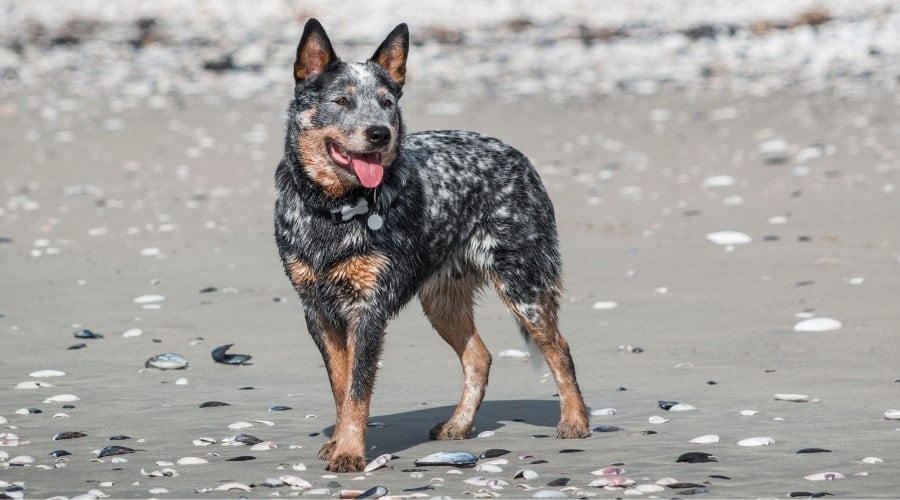
Measurement: Medium; 35–50 kilos
Temperament: Alert, energetic, fiercely loyal
Reason for Stumpy Tail: T-box gene (C189G) variant — pure bobtail frequent in some strains
Why You’ll Love Them: Equal elements mind and brawn. They’re protecting, affectionate, and happiest with a job to do, even when it’s herding youngsters as a substitute of cattle.
Australian Shepherd
The Australian Shepherd may sound prefer it hails from Down Beneath, however this energetic herder really developed within the American West. Recognized for his or her intelligence, agility, and piercing gaze, Aussies are well-known for his or her lovely coats and their naturally brief or bobbed tails.
Many are born with a partial tail, although some have longer ones. Within the early days, ranchers most popular brief tails to keep away from accidents whereas herding livestock, however the fashionable Aussie’s bobtail is usually a present of genetics.
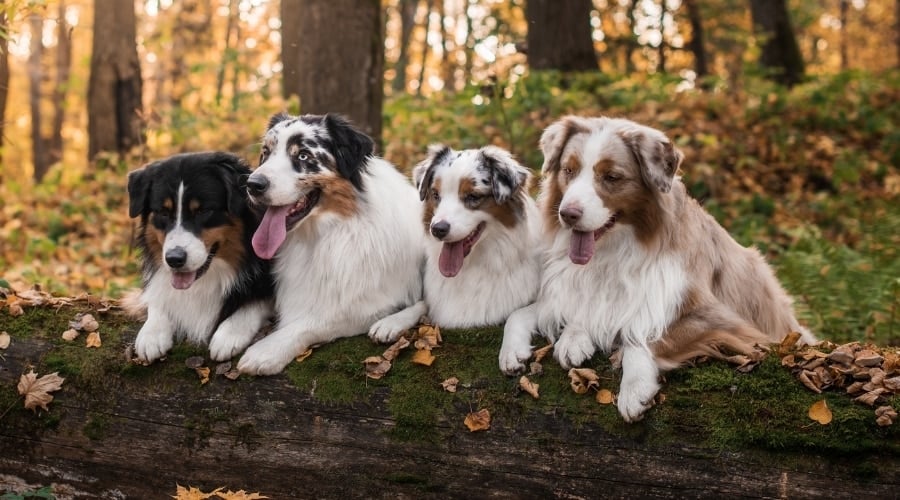
Measurement: Medium; 40–65 kilos
Temperament: Good, energetic, affectionate with household
Reason for Stumpy Tail: T-box gene (C189G) variant — pure bobtail frequent within the breed
Why You’ll Love Them: They’re loyal, eager-to-please, and at all times prepared for motion. Whether or not it’s agility, obedience, or farm life, this canine leads a enjoyable, lively life.
Boston Terrier
Nicknamed the “American Gentleman,” the Boston Terrier pairs a tuxedo coat with a compact, muscular body — and infrequently, a naturally brief tail. Their signature corkscrew or nub tail comes from their genetics, not docking.
What actually units them aside, although, is their cheerful character and love of individuals. Boston Terriers are adaptable, social, and equally completely satisfied tagging alongside for errands or curling up on the sofa.
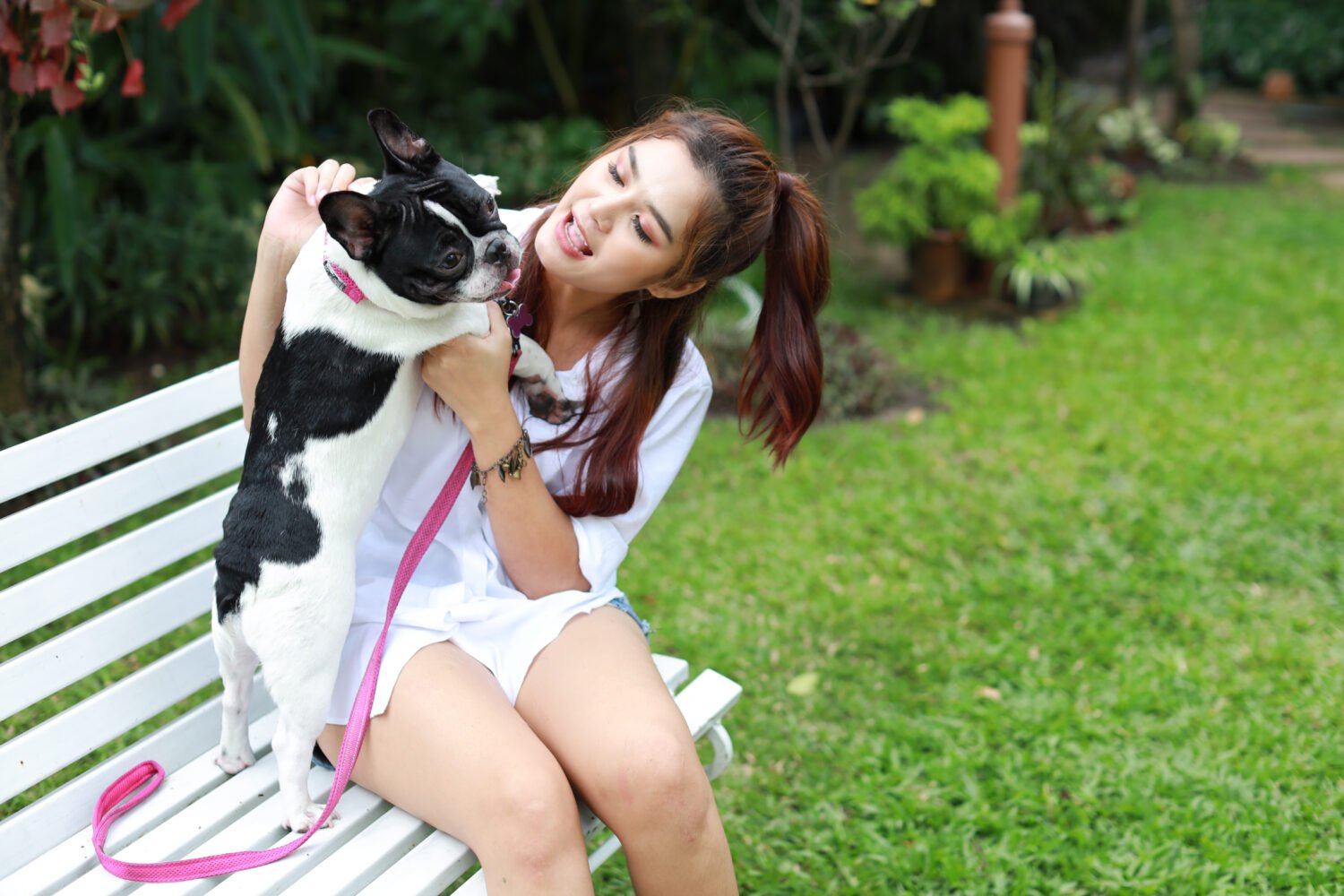
Measurement: Small; 12–25 kilos
Temperament: Pleasant, full of life, adaptable
Reason for Stumpy Tail: Quick tail because of screw-tail gene variation (not T-box)
Why You’ll Love Them: Stuffed with character and coronary heart, they create big-dog confidence in a small, city-friendly package deal.
Brittany
The Brittany (previously Brittany Spaniel) is a hen canine with bounce. Bred for area work and companionship, this breed’s brief tail helps forestall snags whereas searching by way of brush.
Some Brittanys are born with nub tails, whereas others have longer tails that naturally keep brief in look. Their boundless enthusiasm makes them a favourite amongst lively households and out of doors lovers alike.
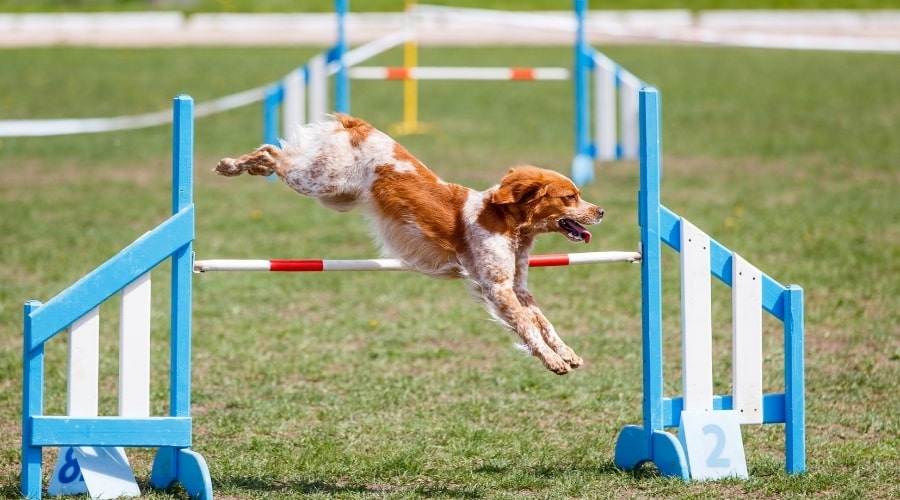
Measurement: Medium; 30–40 kilos
Temperament: Cheerful, energetic, people-oriented
Reason for Stumpy Tail: T-box gene variant (pure bobtail frequent)
Why You’ll Love Them: They’re the final word journey buddy — energetic, affectionate, and at all times recreation for yet another spherical of fetch.
English Bulldog
Few breeds have such unmistakable swagger. The English Bulldog sports activities a naturally brief, screw-shaped tail, due to vertebral fusion, not docking.
Past their iconic look, Bulldogs are light, loyal, and affectionate companions who adore household life and don’t require a lot exercise. Their easygoing nature makes them a super match for condo dwelling or lazy Sundays on the sofa.
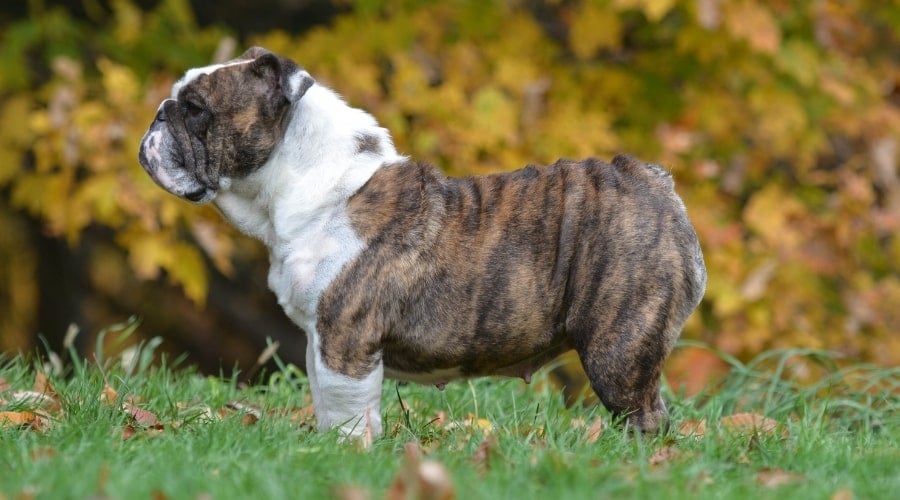
Measurement: Medium; 40–60 kilos
Temperament: Calm, light, loyal
Reason for Stumpy Tail: Vertebral fusion (screw-tail formation, not T-box)
Why You’ll Love Them: Their laid-back allure and affectionate snorts win everybody over.
French Bulldog
Compact, clownish, and filled with allure, the French Bulldog has a naturally brief, straight, or corkscrew tail. No docking wanted — it’s all within the genes.
What actually makes the Frenchie irresistible is its large character in a small package deal. They’re playful, deeply loyal, and thrive on companionship, making them one of the vital widespread breeds on the earth and the most well-liked breed within the U.S.
Measurement: Small; 20-28 kilos
Temperament: Playful, affectionate, easygoing
Reason for Stumpy Tail: Screw-tail genetic variant (not T-box)
Why You’ll Love Them: Their expressive eyes and lovable quirks make them the final word low-maintenance companion for metropolis life.
Jack Russell Terrier
Small in dimension however large in vitality, the Jack Russell Terrier was bred for fox searching, they usually nonetheless act like they’ve acquired an vital job to do. Whereas some have been docked traditionally, others are born with naturally brief tails.
They’re good problem-solvers with a fearless spirit and thrive in houses that match their boundless vitality. Count on a mixture of intelligence, mischief, and loyalty rolled into one pint-sized powerhouse.
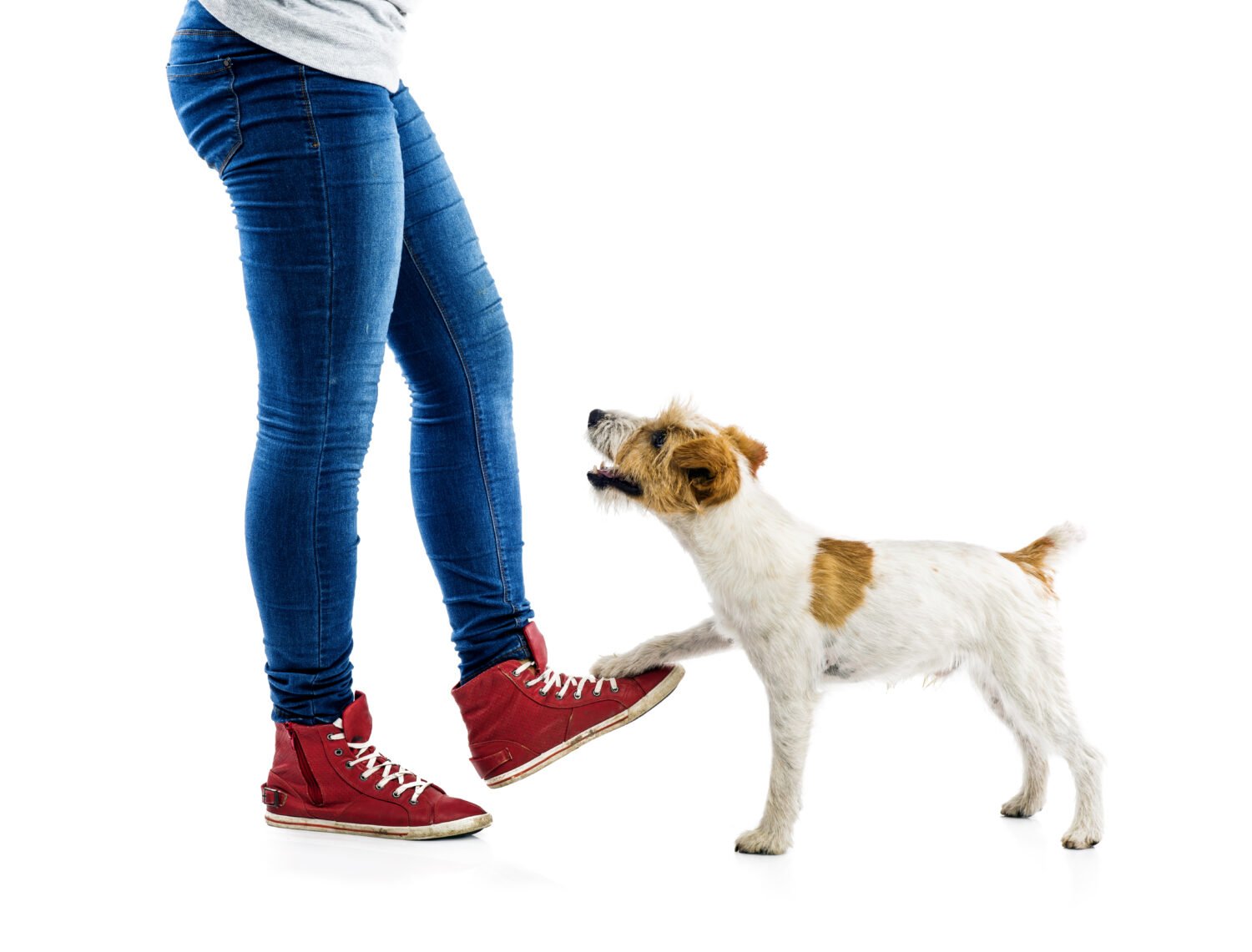
Measurement: Small; 13–17 kilos
Temperament: Energetic, fearless, intelligent
Reason for Stumpy Tail: T-box gene variant (pure bobtail seen in some strains)
Why You’ll Love Them: Their daring character and countless enthusiasm make them enjoyable, mischievous, and at all times entertaining.
Parson Russell Terrier
Carefully associated to the Jack Russell, the Parson Russell Terrier was bred for agility, braveness, and precision within the area. Some are naturally bobtailed, although the look was as soon as achieved by way of docking.
They’re fast thinkers and high-energy companions who like to chase, dig, and play. Count on a canine that’s as intelligent as it’s decided, with a giant coronary heart behind that small body.
Measurement: Small; 13–17 kilos
Temperament: Spirited, intelligent, outgoing
Reason for Stumpy Tail: Pure bobtail often current (unknown trigger)
Why You’ll Love Them: They’re courageous, clever, and filled with spark, bringing countless laughter and motion to any dwelling.
Pembroke Welsh Corgi
Royal favourite and social-media darling, the Pembroke Welsh Corgi usually comes with a pure bobtail, although some nonetheless have full tails. The breed’s brief tail as soon as served a sensible objective, serving to keep away from damage whereas herding cattle. Immediately, it’s merely a part of their iconic allure.
Corgis could also be brief, however their personalities are bigger than life. Recognized for his or her herding smarts and devotion, they steadiness independence with a goofy humorousness that retains households laughing.
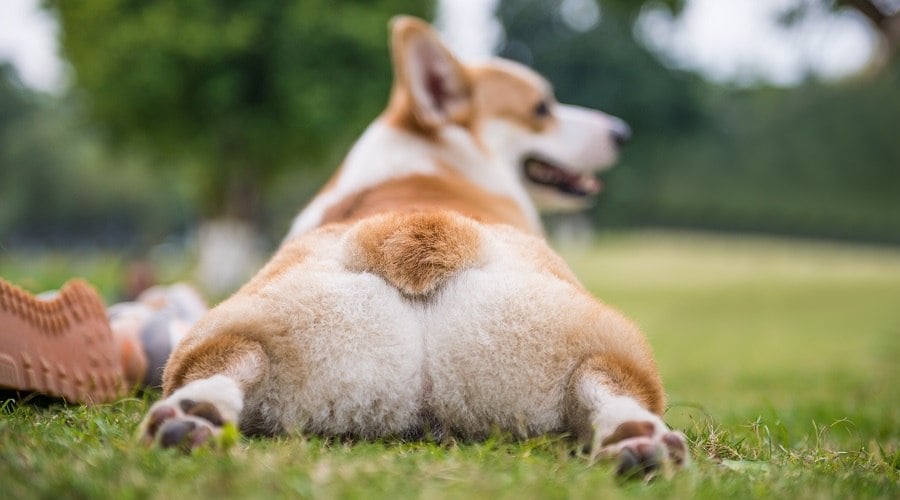
Measurement: Small-to-medium; 25–30 kilos
Temperament: Loyal, affectionate, daring
Reason for Stumpy Tail: T-box gene (C189G) variant — pure bobtail frequent
Why You’ll Love Them: Good, sassy, and irresistibly cute. Their brief legs and shorter tails make all of them character from nostril to nub.
9 Lesser-Recognized Stumpy Tail Canine Breeds
Past the family names, a handful of lesser-known breeds additionally include naturally brief tails, every formed by geography, genetics, and objective.
These under-the-radar canines won’t make the highlight usually, however they’ve earned loyal followings of their dwelling international locations. From rugged farm helpers to historic herders, these canines with brief tails show that bobbed magnificence is available in all sizes and styles.
Australian Stumpy Tail Cattle Canine
Consider this breed because the Aussie Cattle Canine’s wild cousin — leaner, leggier, and virtually at all times born with a real stumpy tail.
Developed within the nineteenth century from European herding canines and native Dingoes, the Australian Stumpy Tail Cattle Canine was bred for endurance, intelligence, and independence. They’re deeply loyal, happiest with wide-open areas and a job to do.
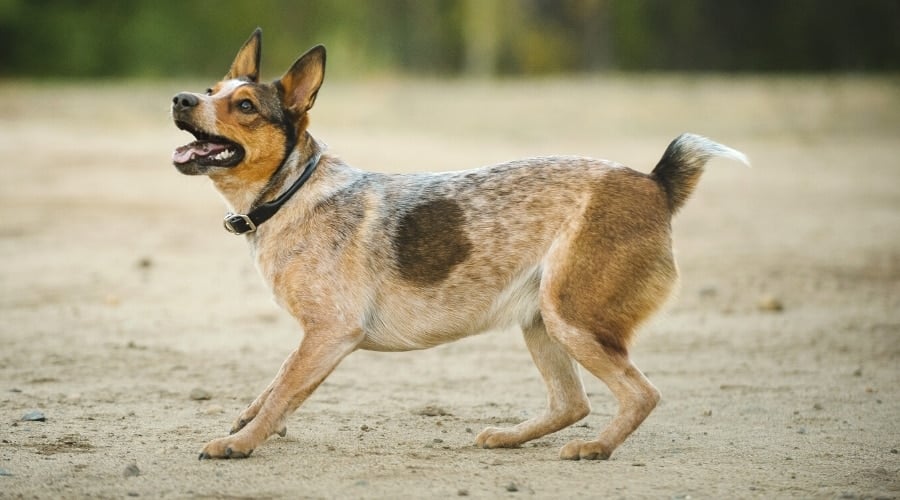
Measurement: Medium; 35–45 kilos
Temperament: Assured, clever, loyal to household
Reason for Stumpy Tail: T-box gene (C189G) variant — pure bobtail
Why You’ll Love Them: Robust as nails and deeply bonded to their individuals. They’re true-blue working canines who reside to maneuver.
Braque du Bourbonnais
The Braque du Bourbonnais is a uncommon French pointer with a pure bobtail and a refined sense of objective. Initially bred for searching quail and partridge, its brief tail helped it transfer simply by way of thick brush with out damage.
Loyal, light, and people-oriented, they make calm home companions when not within the area.
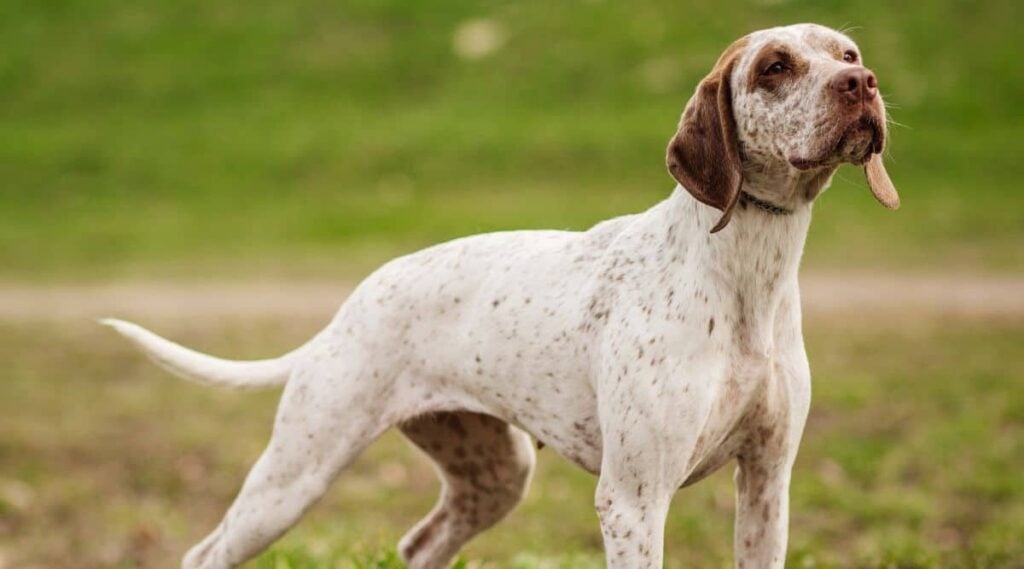
Measurement: Medium; 35–55 kilos
Temperament: Mild, obedient, people-oriented
Reason for Stumpy Tail: T-box gene variant — pure bobtail seen in some strains
Why You’ll Love Them: Calm, sleek, and constructed for each household life and the sphere. They’re hunters with coronary heart.
Brazilian Terrier
Brazil’s native terrier is a nimble, high-energy companion with a pointy thoughts and a brief, pure tail.
The Brazilian Terrier was bred for catching pests and defending property, and it brings that very same spirited alertness to household life. They’re affectionate however full of life — just a little canine with massive opinions and countless allure.
Measurement: Small; 15–20 kilos
Temperament: Energetic, clever, full of life
Reason for Stumpy Tail: T-box gene (C189G) variant
Why You’ll Love Them: They’re spunky, loyal, and bursting with character — a tropical twist on the basic terrier.
Catahoula Leopard Canine
Louisiana’s state canine, the Catahoula Leopard Canine, stands out for its marbled coat, and, in some circumstances, a naturally brief tail.
Catahoulas had been bred for monitoring and herding in swamps and forests, they usually’re simply as hardworking in the present day. Clever and constant, they type deep bonds and make unimaginable watchdogs for knowledgeable homeowners.
Measurement: Medium-to-large; 50–95 kilos
Temperament: Clever, impartial, protecting
Reason for Stumpy Tail: T-box gene (C189G) variant
Why You’ll Love Them: They’re daring, loyal working canines with a mysterious streak — a real Southern authentic.
Mudi
The Mudi is Hungary’s curly-coated herder — a uncommon, clever breed identified for its boundless vitality and occasional pure bobtail.
These canines are versatile employees that excel at agility, obedience, and even search and rescue. Rather less identified exterior of Europe, the Mudi is a hidden gem for knowledgeable, lively homeowners.
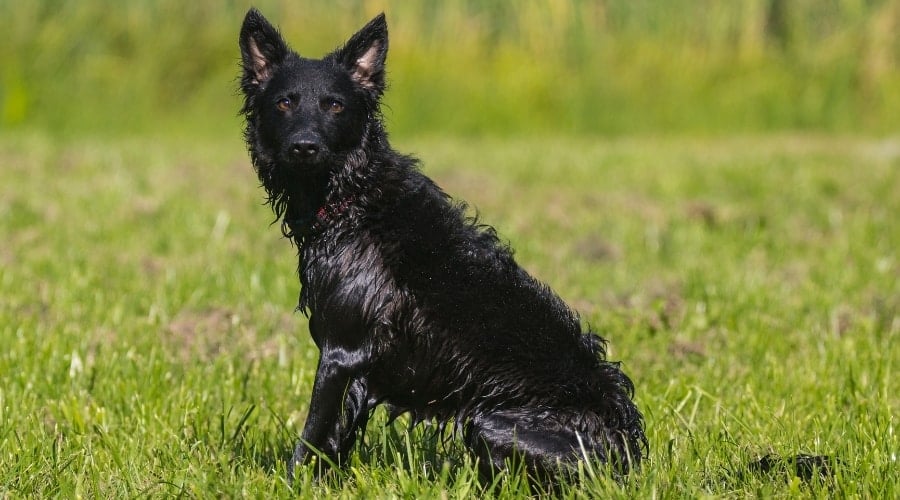
Measurement: Medium; 18–30 kilos
Temperament: Alert, agile, quick-learning
Reason for Stumpy Tail: T-box gene (C189G) variant — current in some strains
Why You’ll Love Them: A mixture of brains, bravery, and bounce, the Mudi thrives on exercise and human connection.
Pyrenean Shepherd
The Pyrenean Shepherd is a small herding canine with countless vitality and coronary heart. Originating within the French mountains, it was bred to information flocks alongside bigger guardian breeds, and a few are naturally born with brief tails.
They’re clever, loyal, and deeply affectionate with their households, making them a fantastic match for homeowners who love to coach and discover.
Measurement: Small-to-medium; 15–30 kilos
Temperament: Spirited, loyal, intensely devoted
Reason for Stumpy Tail: T-box gene (C189G) variant
Why You’ll Love Them: They’re fast thinkers with boundless hearts, excellent for lively homeowners who love journey.
Schipperke
The Schipperke could appear to be a miniature black fox, however its tail — or lack thereof — is all genetics. Many are born tailless or with a tiny nub, although just a few nonetheless have longer tails.
Daring, curious, and constant, Schipperkes are well-known for his or her watchdog instincts and large personalities. They’re small canines who act like they run the world.
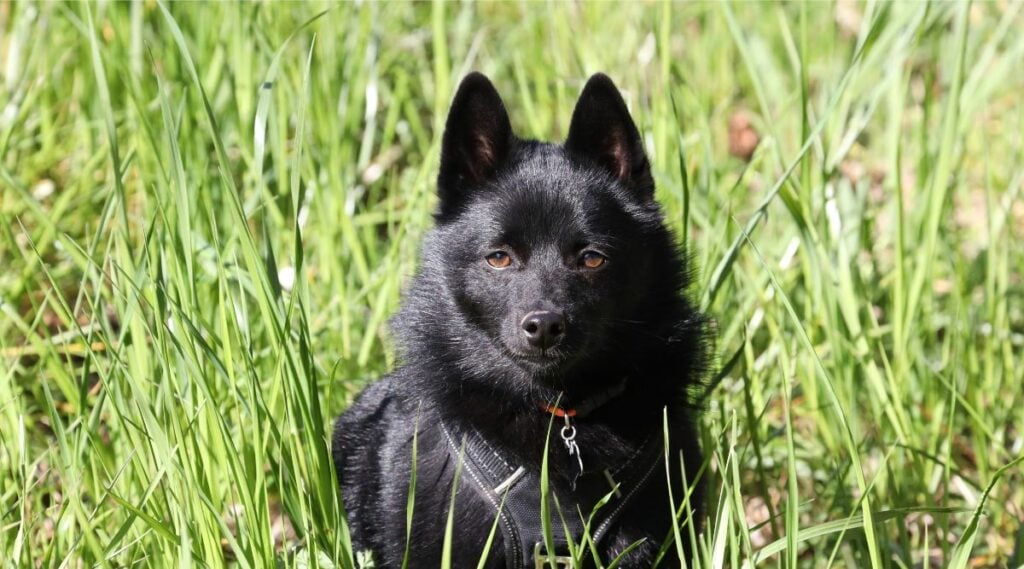
Measurement: Small; 10–16 kilos
Temperament: Daring, curious, fearless
Reason for Stumpy Tail: T-box gene (C189G) variant
Why You’ll Love Them: They’re tiny watchdogs with large personalities, loyal to a fault and at all times on alert.
Spanish Water Canine
The Spanish Water Canine is as hardworking as it’s lovable. Initially bred for herding, retrieving, and water work, many are born with pure bobtails that match their rugged, curly coats.
They’re very smart, social, and thrive on each psychological and bodily challenges. This can be a breed that bonds deeply and likes to have a objective.
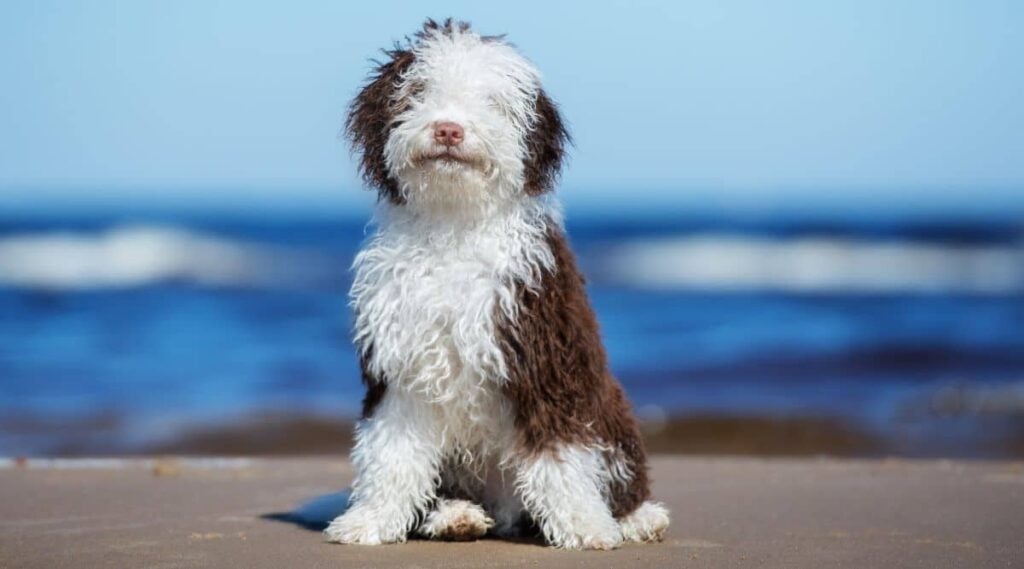
Measurement: Medium; 30–50 kilos
Temperament: Energetic, loyal, hardworking
Reason for Stumpy Tail: T-box gene (C189G) variant
Why You’ll Love Them: Athletic, affectionate, and at all times keen to assist, they’re as loyal as they’re full of life.
Swedish Vallhund
Historical and lovable, the Swedish Vallhund has been herding cattle for over a thousand years — some even name it the “Viking Corgi.”
Their tails vary from lengthy to stubby, however their personalities are uniformly pleasant. Shiny, daring, and endlessly cheerful, they’re one in every of Scandinavia’s best-kept secrets and techniques.
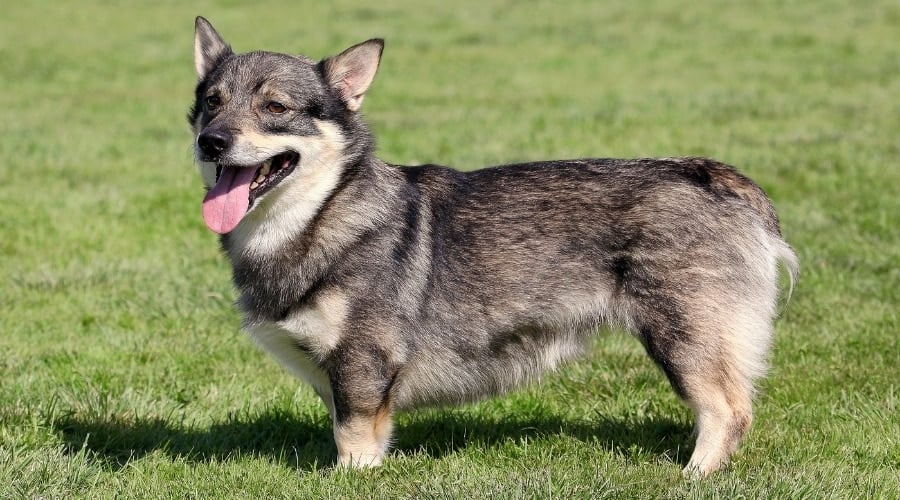
Measurement: Small-to-medium; 20–35 kilos
Temperament: Pleasant, assured, energetic
Reason for Stumpy Tail: T-box gene (C189G) variant — pure bobtail frequent
Why You’ll Love Them: Loyal, intelligent, and endlessly cheerful, they pack a full-sized coronary heart right into a short-tailed body.
Different uncommon breeds which can be identified to hold the T-box gene mutation embrace the Austrian Pinscher, Croatian Sheepdog, Danish-Swedish Farmdog, Karelian Bear Canine, McNab, Polish Lowland Sheepdog, and Savoy Sheepdog.
Finest For: Which Stumpy Tail Canine Breed Suits Your Life?
Every of those stumpy-tailed canine breeds brings one thing particular to the desk — from adventure-ready herders to pint-sized comedians. Right here’s the best way to discover your excellent match.
Flats & Small Areas
If you happen to’re brief on house however not on love, small-tailed breeds match the invoice superbly. Strive the French Bulldog, Boston Terrier, or Schipperke — all thrive indoors and produce massive personalities to compact dwelling.
First-Time Homeowners
Searching for loyalty with out the chaos? Begin with the Boston Terrier or French Bulldog — each easygoing, adaptable, and low-maintenance. The English Bulldog additionally shines as a trainable, cheerful companion.
Energetic Homeowners
For individuals who reside life in movement, some stumpy-tailed canines can run, hike, and herd proper beside you.High picks embrace the Australian Shepherd, Brittany, Mudi, and Australian Cattle Canine — all thrive on exercise and wish loads of psychological and bodily challenges to remain completely satisfied.
Safety & Watchdogs
Want a vigilant pup who’ll provide you with a warning earlier than anybody reaches the door? The Australian Cattle Canine, Catahoula Leopard Canine, and Schipperke mix sharp instincts with fierce devotion.
Distinctive Personalities
For homeowners who love one thing just a little offbeat, these short-tailed charmers steal hearts: the Australian Stumpy Tail Cattle Canine, Mudi, and Swedish Vallhund. Every is clever, loyal, and brimming with character — the sort of canines that flip heads and spark conversations.
Continuously Requested Questions
Interested in how these canines with out tails got here to be — or what it means for his or her well being? Listed here are the commonest questions readers ask about stumpy tail canine breeds. If you happen to don’t see yours right here, ask us within the feedback!
Are Stumpy-Tailed Canines Born That Method?
Sure! Stumpy-tailed canines are born with naturally brief tails, due to a genetic mutation that limits tail progress earlier than start. It’s not an indication of damage or docking — they merely develop that method from the beginning.
Is a Stumpy Tail the Similar as a Docked Tail?
By no means. A stumpy (pure bobtail) types by itself earlier than the pet is born, whereas a docked tail is surgically shortened after start. The distinction comes right down to genetics vs. process, and solely a kind of is pain-free.
Are Canines With out Tails Wholesome?
For essentially the most half, sure. Pure bobtails trigger no hurt and don’t have an effect on a canine’s steadiness or mobility. The one concern is in breeding packages — pairing two bobtail carriers can cut back litter dimension because of embryo loss.
Which Gene Causes a Pure Bobtail?
Most bobtails hint again to a change within the T-box transcription issue T gene (C189G). This single mutation shortens the tail in breeds just like the Australian Shepherd and Pembroke Welsh Corgi, although different breeds could carry completely different genes that produce the identical look.
Do Stumpy Tail Canines Nonetheless Wag?
Completely — they only wag with what they’ve acquired! Even a brief or practically invisible tail can transfer with pleasure, and lots of canines use their entire physique to point out emotion.
Is Tail Docking Nonetheless Authorized?
It depends upon the place you reside. Tail docking is banned or restricted in a lot of Europe, the U.Ok., and Australia, however nonetheless allowed in elements of the U.S. Veterinary teams within the U.S, just like the AVMA, discourage beauty docking altogether.
Love Distinctive Canine Traits? Maintain Exploring!
If you happen to’re fascinated by canines with fascinating traits, you’ll love diving into extra of our breed-spotlight guides. Take a look at our record of one of the best companion canine breeds for pups that match each character, discover our information to canine breeds that don’t bark if quiet companionship is your type, or meet the breeds finest for allergic reactions that convey massive love with out all of the sneezing.
Would you ever undertake (or do you already personal) a stumpy-tailed canine breed? Inform us your favourite(s) within the feedback beneath!


