

Whenever you buy via hyperlinks on our web site, we might earn a fee. Right here’s the way it works.
Your canine isn’t giving themselves a paw pedicure. In case your canine gained’t cease licking and chewing their paws, it’s greater than a unusual behavior. Purple, irritated pores and skin between the toes (technically referred to as pododermatitis) is likely one of the prime causes canines find yourself on the vet.
The excellent news? Some easy dwelling treatments can convey fast aid — and we’ll additionally cowl the purple flags that imply it’s time to name your vet.
What Is Pododermatitis?
Pododermatitis is the medical time period for irritation of the pores and skin on a canine’s paw. It usually reveals up between the toes, which is why it’s typically referred to as interdigital dermatitis or interdigital cysts, however it will probably additionally have an effect on the paw pads themselves.
Frequent indicators embrace:
Canine with power paw irritation usually want a mixture of diagnostics, medicines, and life-style changes to remain comfy.
10 Frequent Causes Of Irritated Canine Paws
The difficult half? Pododermatitis isn’t a single situation. It’s a symptom with many potential causes, from on a regular basis allergy symptoms to extra severe autoimmune or hormonal points. That’s why treating it isn’t so simple as one magic repair.
1. Sneaky Allergic reactions: The #1 Paw Irritant
Allergic reactions are one of many main causes of itchy paws in canines. Some pups are allergic to particular proteins in meals (like rooster or beef), whereas others react to environmental triggers comparable to grass, pollen, or mud mites.
Meals allergy symptoms often trigger year-round paw chewing, ear infections, or pores and skin redness.
Seasonal allergy symptoms (atopy) flare up when pollen or mould counts spike.
In case you discover that your canine’s paw chewing will get worse at sure occasions of 12 months, that’s an enormous clue. A vet can advocate allergy testing, prescription diets, or antihistamines. Study extra about seasonal allergy symptoms in canines.
2. Autoimmune Combine-Ups: When the Physique Assaults Itself
Some canines develop autoimmune illnesses the place the immune system mistakenly assaults the pores and skin on their paws. Circumstances like pemphigus foliaceus or pemphigus vulgaris could cause painful ulcers, crusting, and extreme irritation between the toes.
These situations are uncommon however severe. They usually require lifelong veterinary administration with medicines like steroids or immunosuppressants. In case your pup has unexplained sores that don’t heal, don’t wait — get them checked out instantly.
Do you know? A genetic predisposition for pemphigus foliaceus is discovered principally in Akitas, Chow Chows, Newfoundlands, and Doberman Pinschers. Nevertheless, incidences are additionally greater in Labrador Retrievers, German Shepherds, English Bulldogs, and Cocker Spaniels.
3. Hormone Hassle: Thyroid & Adrenal Glands Gone Incorrect
Hormonal issues like hypothyroidism (low thyroid hormone) and Cushing’s illness (extra cortisol) weaken pores and skin well being and the immune system. The outcome? Canine with these situations usually tend to develop purple, itchy paws together with thinning fur, weight modifications, and fatigue.
Whereas treatable, these power situations require a correct analysis and lifelong treatment.
4. Zinc Deficiency: Small Mineral, Large Issues
Some breeds, particularly Siberian Huskies and Alaskan Malamutes, have hassle absorbing zinc correctly. This results in a situation referred to as zinc-responsive dermatitis, which causes scaly, crusty pores and skin across the mouth, nostril, and paws.
Dietary supplements usually assist, however a vet ought to affirm the analysis earlier than you begin including zinc to your canine’s weight loss program.
5. Yeast & Micro organism: The Moisture Lure
Moisture between your canine’s toes creates the right atmosphere for yeast or micro organism to thrive. That’s why canines who swim so much, lick excessively, or dwell in humid climates are particularly in danger.

Look ahead to:
A bitter or “corn chip” scent
Greasy or discolored fur between toes
Redness, swelling, or pus
A vet might prescribe medicated wipes, shampoos, or oral antibiotics/antifungals. For gentle flare-ups, paw-safe antifungal or antibacterial sprays can present short-term aid.
6. Pores and skin Invaders
Creepy crawly parasites will also be accountable. Hookworms burrow into paw pads, whereas fleas and Demodex mites (mange) can set off paw chewing and secondary infections.
If one paw is uncooked however the remainder of the physique appears positive, parasites are much less possible. But when your pup is itching throughout, it’s value asking your vet a couple of pores and skin scrape or parasite take a look at.
7. Metabolic Problems: Uncommon However Critical
Uncommon metabolic situations, comparable to hepatocutaneous syndrome (linked to diabetes and liver illness), could cause crusting and ulceration on the paws. These are unusual however necessary to rule out if normal remedies fail.
Canine with metabolic paw points usually want broader medical look after the underlying situation.
8. Paw Trauma: Cuts, Stings & Splinters
In case your canine’s paw irritation is proscribed to 1 paw solely, trauma often is the trigger. Splinters, glass shards, foxtails, and even insect stings can lodge between the toes. Canine usually lick the realm obsessively, which makes it appear to be an an infection when the actual challenge is a caught overseas physique or a pores and skin damage.
Professional tip: All the time examine paws after hikes or outside play. A fast inspection can save weeks of irritation.
9. Tumors & Growths: Not All the time “Only a Bump”
Lumps on or between your canine’s toes aren’t at all times benign. Tumors comparable to histiocytomas, squamous cell carcinoma, or lymphoma can develop within the paw tissues. In case you discover a agency bump that doesn’t go away, your vet might advocate a biopsy to verify what you’re coping with.
10. Behavioral Points
Not all paw chewing is medical. Some canines develop obsessive behaviors as a result of anxiousness or boredom. This could flip right into a vicious cycle the place licking causes irritation, which causes extra licking.
In case your vet guidelines out medical causes, behavioral help might assist. Puzzle toys, calming dietary supplements, and elevated train can cut back stress-driven paw licking.
Why Some Canine Are Extra At Danger For Itchy, Purple, Or Irritated Paws
Not each pup will develop pododermatitis, however sure components make purple, irritated paws much more possible. Figuring out what stacks the chances towards your canine can assist you catch issues earlier than they flare up.
Weight & Dimension: Heavy Paws, Heavier Strain
Chubby canines put extra pressure on paw pads, which ends up in cracks, irritation, and irritation.
Giant and large breeds (like Nice Danes and Saint Bernards) naturally carry extra weight, so their paws usually present wear-and-tear first.
Paw Construction: Flat Toes & Webbed Toes
Canine with flat ft or additional webbing (e.g., Labrador Retrievers and Bulldogs) entice extra filth and moisture between their toes. That damp atmosphere is ideal for yeast and micro organism.
Coat Kind: Irritating Hair Across the Toes
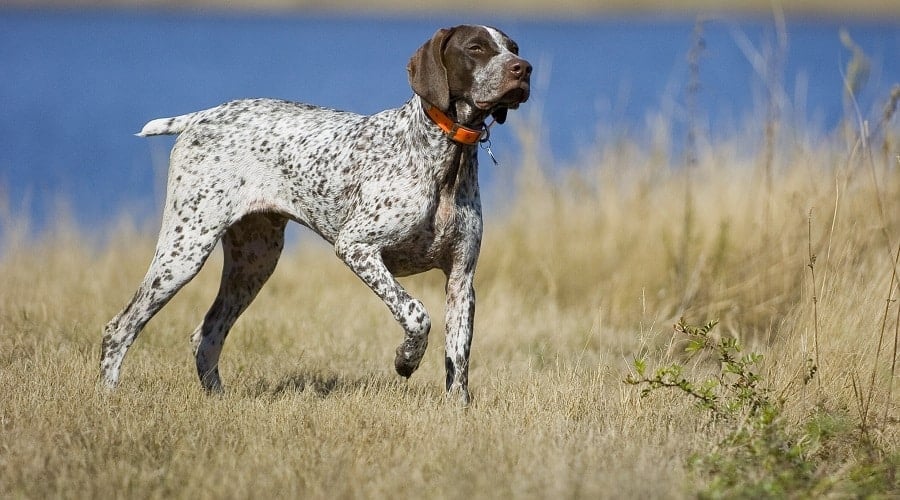
Quick, wiry hair across the ft (e.g., Jack Russell Terriers and German Shorthaired Pointers) rubs towards the pores and skin and causes friction. It might probably additionally entice tiny bits of filth, pollen, or grass, which provides to the irritation.
Motion Points: When the Gait Is Off
Canine with arthritis, hip dysplasia, or ligament accidents (e.g., cranial cruciate ligament (CCL) tears and patellar luxation) usually put uneven stress on their paws. Over time, that stress can inflame the pores and skin and create painful sizzling spots between toes.
9 House Cures For Canine Purple, Itchy Paws
When your pup is gnawing at their ft, it’s tempting to search for a fast repair. Some at-home treatments can convey short-term aid, however they don’t treatment infections or severe situations. Consider these as first help for paws — soothing and supportive whereas you determine the underlying trigger.
Listed below are essentially the most generally beneficial dwelling treatments, with suggestions for utilizing every safely.
1. Coconut Oil: Nature’s Moisturizer
Coconut oil isn’t only for cooking — it’s a pure pores and skin soother with gentle antibacterial and antifungal properties. For canines with dry, cracked paw pads or gentle irritation between the toes, it will probably restore softness and cut back irritation.
Easy methods to use:
Heat a pea-sized quantity in your hand till liquid.
Therapeutic massage gently into the paw pads and between the toes.
Let it sit for five–10 minutes earlier than your canine runs round.
Professionals: It hydrates, helps battle minor micro organism/yeast, and is secure if licked in small quantities.Cons: It might probably make paws (and your flooring) slippery. An excessive amount of ingestion might upset some canines’ stomachs.
BEST FOR: gentle dryness or irritation, particularly in winter when paws crack from chilly air and salt publicity.
2. Epsom Salt Soaks: Swelling & Soreness Aid
Epsom salts have been used for hundreds of years to cut back swelling and draw out irritants. They’re particularly helpful when paws are infected from bug bites, minor accidents, or overuse.
Easy methods to use:
Dissolve ½ cup Epsom salt in a basin of heat (not sizzling) water.
Gently place your canine’s paw within the answer and soak for five–10 minutes.
Rinse totally with clear water and pat dry to keep away from salt residue.
Professionals: Reduces swelling, soothes sore tissue, and helps clear minor irritants.Cons: Some canines dislike paw soaking. It’s not secure for open cuts as a result of it could sting.
BEST FOR: gentle swelling, soreness after lengthy walks, or bug bites between toes.
3. Oatmeal Paw Baths: The Traditional Anti-Itch Treatment
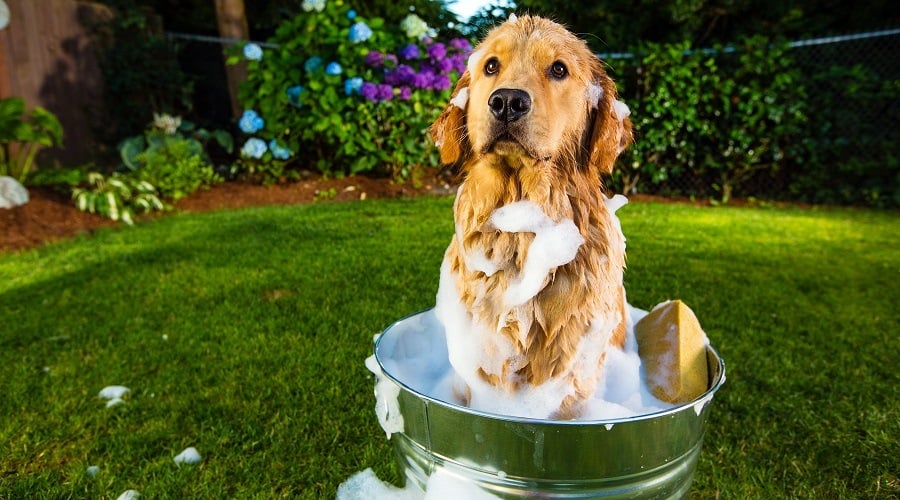
Oatmeal is known for calming itchy pores and skin, and it really works simply as properly on paws. Colloidal oatmeal comprises compounds that cut back irritation, hydrate pores and skin, and create a protecting barrier.
Easy methods to use:
Grind plain, unsweetened oatmeal right into a positive powder (or use Shea Organics Colloidal Oatmeal Bathtub Powder).
Add 1–2 cups to a bathtub or basin of lukewarm water.
Soak paws for 10 minutes, then pat dry totally.
Professionals: Protected, soothing, and mild sufficient for every day use.Cons: May be messy; will not be sturdy sufficient for infections.
BEST FOR: itchy paws brought on by seasonal allergy symptoms, grass irritation, or dry pores and skin.
4. Apple Cider Vinegar (Diluted): Antimicrobial Rinse
Apple cider vinegar (ACV) has pure antibacterial and antifungal properties, making it a helpful answer for gentle yeast or bacterial irritation.
Easy methods to use:
Combine equal elements apple cider vinegar and water.
Apply with a sprig bottle, sponge, or cotton ball.
Enable paws to air dry — no rinsing wanted.
Professionals: Cheap, extensively obtainable, and efficient towards gentle yeast or micro organism.Cons: Burns on open cuts and might dry out pores and skin if overused.
BEST FOR: gentle odor, early yeast flare-ups, or routine paw cleansing after walks.
5. Aloe Vera Gel: Cooling & Therapeutic
Pure aloe vera has pure cooling properties that calm irritation and help therapeutic. It’s significantly efficient when paws are infected from allergy symptoms or warmth publicity.
By no means let your pup munch on an aloe vera plant – the sap is especially poisonous for canines. The inside gel of the aloe vera plant is secure in small quantities when utilized topically.

Easy methods to use:
Use 100% pure aloe vera gel (no alcohol or components).
Apply a skinny layer to paw pads and between toes.
Let it dry earlier than your canine walks indoors.
Professionals: Naturally soothing, fast-acting, and secure when utilized topically.Cons: Canine shouldn’t ingest massive quantities — solely use the place you possibly can monitor licking.
BEST FOR: infected, itchy paws brought on by allergy symptoms or warmth rash.
6. Baking Soda Paste: The Fast Itch Neutralizer
Baking soda helps neutralize acids and cut back itchiness. It’s a easy, cheap dwelling treatment for short-term paw aid.
Easy methods to use:
Combine 2 tablespoons of baking soda with just a few drops of water till a paste types.
Unfold onto purple, itchy spots.
Go away for 10 minutes, then rinse totally.
Professionals: Neutralizes itching; secure when used sparingly.Cons: Can dry out pores and skin; wants rinsing to keep away from residue.
BEST FOR: insect bites or gentle irritation once you want fast aid.
7. Anti-Itch Sprays: Quick Aid In A Bottle
Over-the-counter dog-safe anti-itch sprays usually include hydrocortisone or natural extracts like chamomile to cut back itching.

Easy methods to use:
Spray calmly over affected areas a few times every day.
Search for formulation made particularly for canines (human steroid sprays are too sturdy).
Professionals: Handy, fast-acting, and simple to use.Cons: Gives short-term aid solely; doesn’t resolve the underlying trigger.
BEST FOR: short-term itch aid when your canine gained’t cease licking.
8. Chilly Compresses: Easy However Efficient
Typically old-school is finest. A chilly compress reduces swelling, numbs discomfort, and calms irritation.
Easy methods to use:
Wrap an ice pack or bag of frozen peas in a towel.
Maintain gently on the paw for five minutes.
Repeat a number of occasions a day if swelling persists.
Professionals: Simple, secure, and cost-free.Cons: Short-term aid solely; not at all times tolerated by squirmy canines.
BEST FOR: sudden paw irritation, insect stings, or post-walk swelling.
9. Benadryl: Over-The-Counter Allergy Aid
For canines with allergy-driven paw licking, Benadryl (diphenhydramine) can typically assist ease itching. It’s additionally generally utilized by vets to deal with reactions from insect bites or bee stings, which might make paws purple, swollen, and uncomfortable.
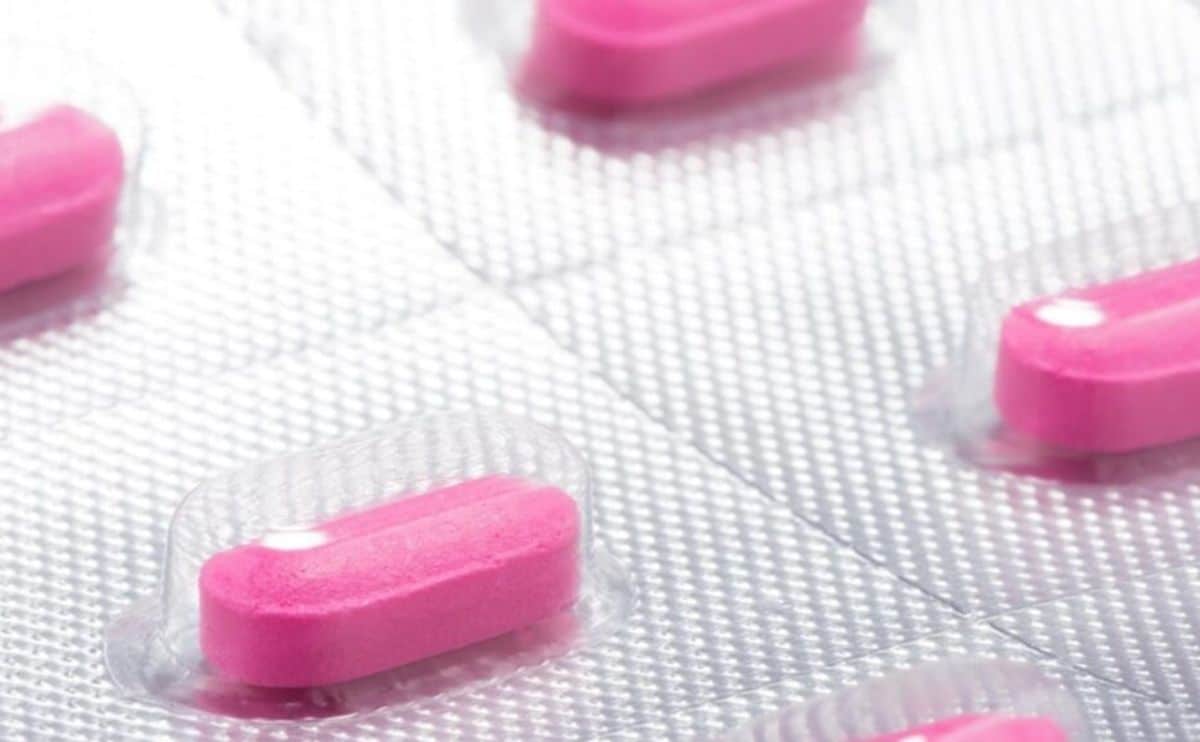
The way it helps: Benadryl blocks histamines — the chemical compounds that set off itching, swelling, and allergic responses. It might probably present short-term aid in case your canine’s purple, itchy paws are brought on by environmental allergy symptoms like pollen or by sudden swelling from a sting.
Easy methods to use:
All the time examine together with your veterinarian earlier than giving Benadryl to verify dosing to your canine’s weight and well being situation.
Use tablets or capsules somewhat than liquid formulation (which can include xylitol or alcohol).
Aid often lasts just a few hours, so repeated doses could also be wanted.
Professionals: Simple to search out, inexpensive, and efficient for gentle allergy symptoms, insect bites, and stings.Cons: Not secure for all canines (particularly these with coronary heart illness, glaucoma, or hypertension). Might trigger drowsiness.
VET TIP: By no means give your canine Benadryl with out confirming the right dose together with your vet. Incorrect dosing could be harmful, and it gained’t assist if the paw irritation is brought on by an infection or one other situation.
Our Private Expertise
My fellow author at Canine Journal shares her expertise with purple, swollen paws from a nasty insect encounter.

I’m often so cautious with my canine Falkor, particularly on the subject of letting him exterior. At dwelling, I do know each inch of the yard, however at a relative’s home out of city, I didn’t understand simply what number of hidden risks there could possibly be.
He trotted exterior at my relative’s home simply to take a fast potty break, however within the worst stroke of luck, he stepped proper into a fireplace ant hill. He yelped, attempting to squat and pee whereas hopping from paw to paw in apparent ache. His ft turned purple nearly immediately, and he checked out me with these panicked, watery eyes that stated, “Please repair this.”
My coronary heart sank. I scooped him up and referred to as the vet instantly. They instructed me to rinse his paws with chilly water to clean away the ants, then administer Benadryl and apply chilly compresses to cut back the swelling and itching.
The subsequent few days had been tough; his paws stayed sore and itchy, and it was terrible watching him limp and lick at them. However slowly, the redness pale, and he bounced again to his completely happy, mischievous self. Now, at any time when we’re in a brand new place, I scan the bottom like a hawk, as a result of as soon as was greater than sufficient.
– Danielle DeGroot, Rescue Canine mother & Canine Journal Author
Dietary Cures To Assist Wholesome Paws
Topical care is necessary, however vitamin is simply as essential. Enhancing your canine’s weight loss program might cut back flare-ups within the first place.
Meals Swaps For Allergic reactions
If meals allergy symptoms are the set off, switching diets might make a world of distinction. Vets usually advocate novel protein diets (duck, venison, hydrolyzed protein) for allergic canines. Discover our greatest canine meals for allergy symptoms to see secure, efficient choices.
Fish Oil: Omega-3 Anti-Inflammatory Energy
Omega-3 fatty acids present in fish oil assist cut back irritation all through the physique, together with within the paws. See our information to the very best fish oil for canines.
The Limits Of House Cures
House treatments are nice for fast consolation, however they aren’t cures.
They don’t deal with infections or power illnesses.
They solely present short-term aid.
They’ll delay wanted vet care if used too lengthy with out enchancment.
Some can worsen uncooked or open wounds.
When To See A Veterinarian
House treatments can soothe irritation, however they gained’t treatment infections or severe situations. Pododermatitis left untreated can spiral into power ache, deep infections, and even long-term lameness. The secret’s realizing when DIY isn’t sufficient.

Purple Flags You Shouldn’t Ignore
Name your vet in case you discover any of those warning indicators:
Extreme swelling, redness, or warmth across the paw
Discharge, pus, or a foul odor between toes
Bleeding or open wounds that gained’t heal
Persistent limping or refusal to bear weight
Extreme licking that creates bald or uncooked spots
Signs that don’t enhance inside 48–72 hours of dwelling care
Recurring paw flare-ups regardless of preventive measures
Vet Tip: Catching points early is at all times cheaper and simpler to deal with. Ready till paws are uncooked, contaminated, or swollen solely means extra ache to your canine (and larger vet payments for you).
How Pet Insurance coverage Can Assist
Right here’s the truth: a pup’s well being issues can get costly quick. A easy an infection would possibly run just a few hundred {dollars}, however power allergy symptoms, biopsies, or autoimmune care can push prices into the 1000’s.
That’s the place pet insurance coverage is available in. With a coverage in place, you gained’t hesitate to guide a vet go to at any time when your pup has an accident or turns into unwell.
Emergency look after extreme infections or accidents
Diagnostics like allergy testing, pores and skin scrapings, or bloodwork
Lengthy-term therapy for power situations
Study extra in our evaluations of the very best pet insurance coverage suppliers.
Vital: Pre-existing situations aren’t lined. In case your canine already has recurring paw points, insurance coverage gained’t reimburse these. Signing up early (earlier than signs begin) gives the very best safety.
Prevention: Defending Your Canine’s Paws Earlier than Issues Begin
The easiest way to repair a canine’s paw irritation is to forestall it from occurring within the first place. With a easy paw-care routine, you possibly can decrease the danger of irritation, infections, and expensive vet visits.
Every day Care
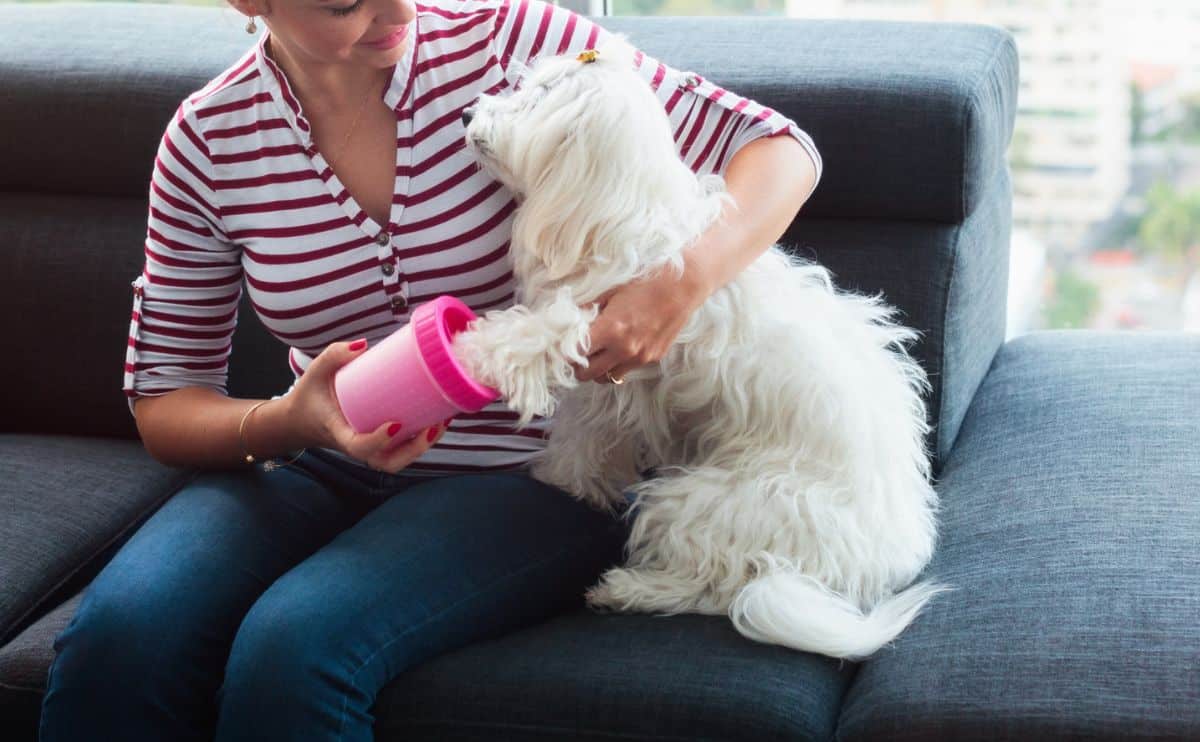
Wipe paws or use a paw cleaner after walks → particularly throughout allergy season or after contact with grass, pollen, or street salt.
Dry totally → moisture between toes fuels yeast and micro organism.
Test for particles → search for small thorns, burrs, or foxtails caught between toes.
Weekly Care
Trim paw hair → retains filth and allergens from getting trapped.
Examine for redness or swelling → early detection = quicker therapy.
Moisturize pads → paw balms or pure moisturizers forestall cracks.
Seasonal & Situational Care
Use booties or paw pads in sizzling summers (shield towards pavement) and icy winters (shield towards salt/ice soften).
Keep away from harsh chemical compounds like ground cleaners, fertilizers, or scented shampoos that irritate paws. (See our suggestions for pet-safe cleansing merchandise and dog-friendly yard merchandise).
Give your pup parasite prevention year-round — fleas, mites, and hookworms can all trigger itchy paws.

Supplemental Assist
Omega-3 fatty acids (fish oil) → cut back irritation.
Probiotics → help intestine + pores and skin well being.
Zinc → provided that beneficial by your vet for canines with recognized deficiency points.
Steadily Requested Questions
Nonetheless have questions? Paw issues are one of many prime causes canine dad and mom seek for recommendation. In case you don’t see your concern right here, drop your query within the feedback beneath and we’ll do our greatest to assist.
Why Does My Canine Lick His Paws So A lot?
Extreme licking is often an indication of discomfort — most frequently allergy symptoms, infections, or damage. If it’s fixed and creating bald patches, it’s time to see your vet.
Can Allergic reactions Trigger Paws To Be Purple Between The Toes?
Sure. Environmental allergy symptoms (like grass, pollen, or mould) and meals allergy symptoms are main causes of irritated canine paws.
What House Cures Can I Attempt First?
Oatmeal soaks, coconut oil rubs, and Epsom salt soaks can all assist soothe gentle irritation. However keep in mind — dwelling treatments are solely short-term aid.
How Do I Know If It’s An An infection?
Search for swelling, discharge, foul odor, or ache when touched. These signs imply it’s time for a vet go to.
Is Pododermatitis Contagious?
Most instances aren’t. Allergic reactions, hormonal issues, or autoimmune points aren’t contagious. However parasites like mites or fleas can unfold to different pets.
Can Sure Breeds Keep away from Paw Issues?
Some breeds are much less inclined, however any canine can develop itchy paws. Breeds like Bulldogs, Boxers, and Labs are extra in danger as a result of genetics and paw construction.
What Will My Vet Do To Diagnose Paw Points?
They could run pores and skin scrapings, cultures, allergy assessments, or bloodwork. In uncommon instances, they’ll advocate a biopsy. This helps tailor therapy to your canine’s precise drawback.
Different Methods To Care For Your Canine’s Well being
Paw care is simply the beginning of preserving your pup wholesome. Ears are one other hotspot for irritation and an infection. See our guides on canine ear infections, clear your canine’s ears, and the very best canine ear-cleaning options to maintain your canine feeling their finest.
Have you ever tried a house treatment that labored wonders to your canine’s paws? Share your suggestions within the feedback!


![The Evolution of Play [revisited] – McConnell Publishing Inc.](https://i3.wp.com/www.patriciamcconnell.com/wp-content/uploads/2026/01/IMG_1102.jpeg?w=120&resize=120,86&ssl=1 "The Evolution of Play [revisited] – McConnell Publishing Inc.")


