


Bringing house a canine as a pair can really feel thrilling, till actual life kicks in: work schedules, journey plans, condo guidelines, and who really does the every day care. Some breeds are great, however solely when their wants match your life-style. The remorse normally isn’t in regards to the canine; it’s in regards to the lack of planning. Listed here are 5 breeds {couples} typically select impulsively, and what to know earlier than you do. Slightly honesty now saves a variety of stress later. And it helps {couples} keep on the identical crew.
Border Collie
Border Collies are good, affectionate, and desirous to work, however they aren’t a “cute and straightforward” household canine. Many {couples} underestimate how a lot every day psychological stimulation this breed wants, particularly in residences or with lengthy work hours. With out structured coaching and actual train, they will turn into anxious, harmful, or continuously demanding consideration. They thrive with routines and never informal walks. The remorse typically begins when {couples} understand love isn’t sufficient; this breed wants constant engagement each single day. They do greatest with homeowners who take pleasure in coaching, not simply cuddling. In case your weeks are unpredictable, this breed will really feel it first.
Siberian Husky
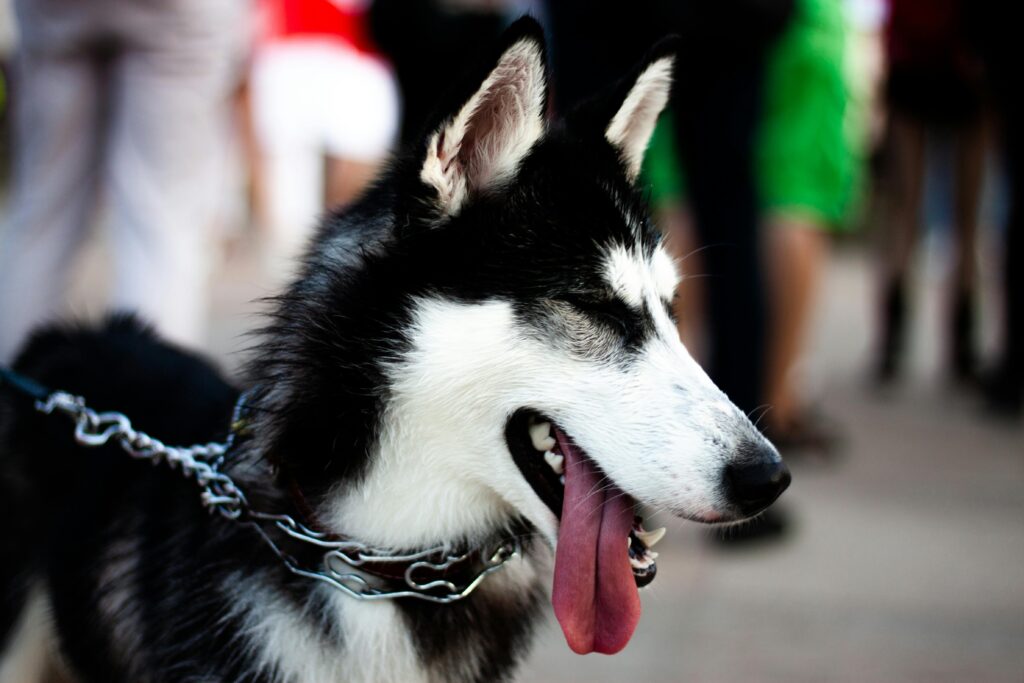
Huskies appear to be a dream canine, however they are often one of many hardest breeds for {couples} who didn’t plan forward. They’re high-energy, cussed, and famously vocal, which may create rigidity with neighbors and landlords. Many even have robust prey drive and escape instincts, that means weak fences and open doorways turn into actual issues quick. They shed closely year-round, and their train wants will not be elective. {Couples} typically remorse the breed when the canine’s power clashes with busy schedules and restricted outside area. Huskies are happiest once they can run, discover, and keep busy. With out that outlet, the chaos typically lands again on the connection.
Belgian Malinois
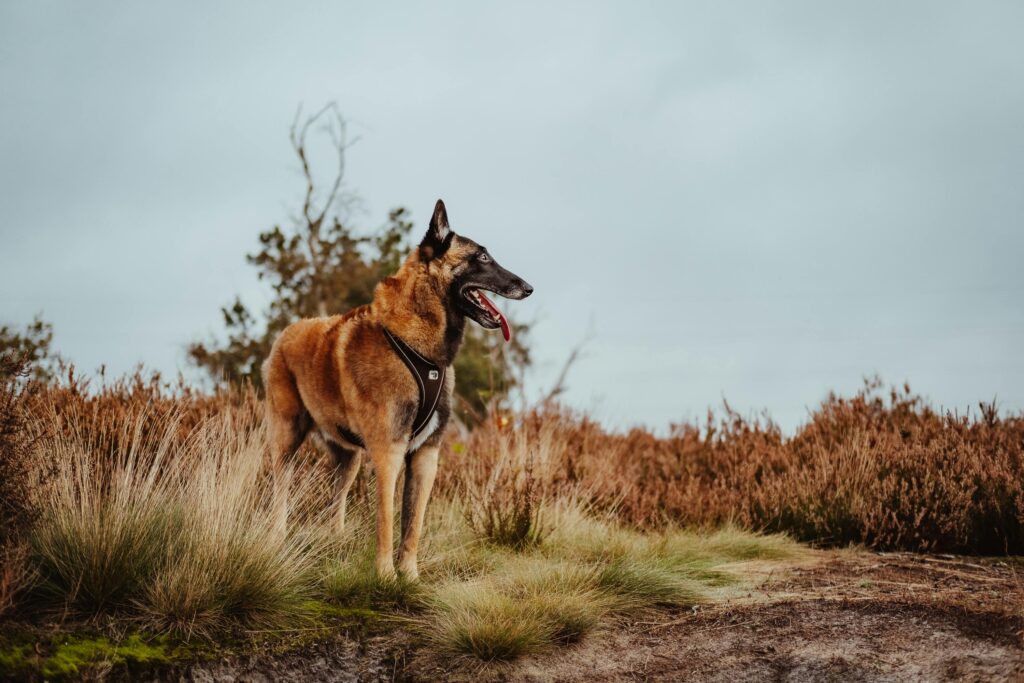
The Belgian Malinois is usually admired for its athletic construct and “elite” repute, however it’s a critical working canine, not an informal pet. This breed is extremely pushed and fast to develop behavioral points if coaching is inconsistent. Many {couples} underestimate how a lot construction, obedience work, and managed exercise is required. A bored Malinois can turn into reactive, harmful, or overly protecting. Remorse normally comes when the canine outpaces the proprietor’s expertise, and on a regular basis life begins revolving round managing habits. This breed wants assured dealing with and every day coaching. For a lot of {couples}, it’s merely extra duty than anticipated.
French Bulldog

French Bulldogs are well-liked as a result of they appear low-maintenance, however {couples} typically remorse them for causes they didn’t anticipate. Many Frenchies are costly to buy, and much more costly to keep up as a result of widespread well being points like respiratory issues, allergic reactions, and spinal considerations. In addition they battle in warmth, which limits outside time in heat climates. Vet payments can shortly turn into a relationship stress level. The remorse isn’t about temperament; it’s about realizing the breed can include long-term medical prices and life-style limitations. They are often great companions, however they’re hardly ever a “finances” breed.
Australian Shepherd
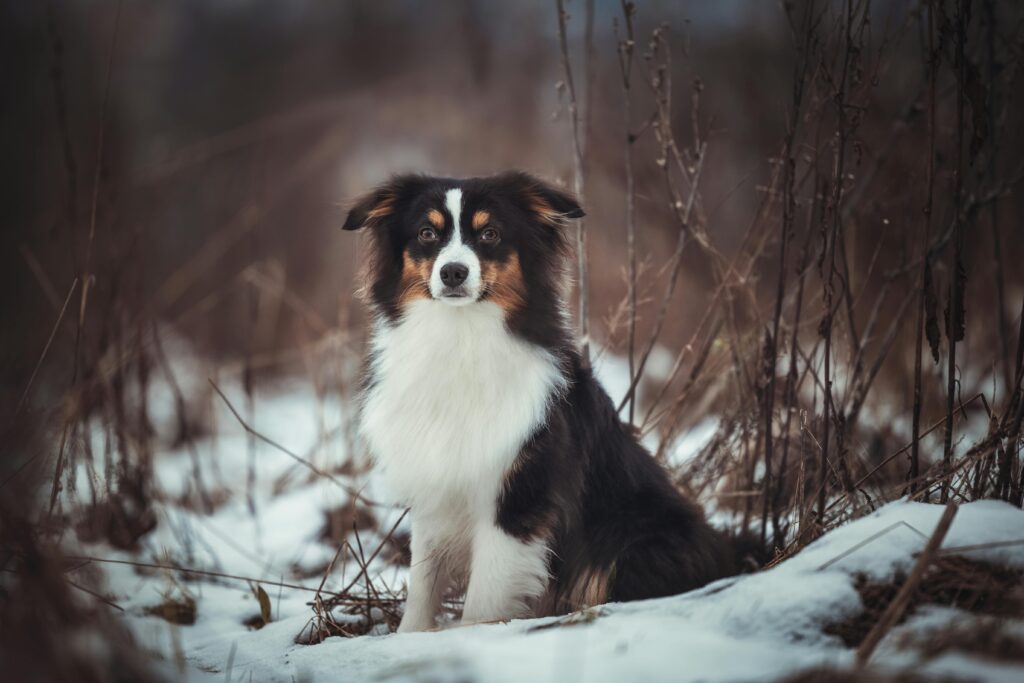
Australian Shepherds are loving, loyal, and extremely trainable, however they aren’t a “weekend hike” canine. They have been bred to herd, which suggests they typically want extra exercise and psychological work than {couples} plan for. With out constant stimulation, they could develop nervousness, extreme barking, or herding behaviors like nipping at heels. In addition they are inclined to bond strongly and might battle with separation if left alone for lengthy hours. {Couples} typically remorse the selection once they understand this breed wants every day construction, not occasional bursts of train. They thrive when each companions share the workload, not when one particular person carries it.


